
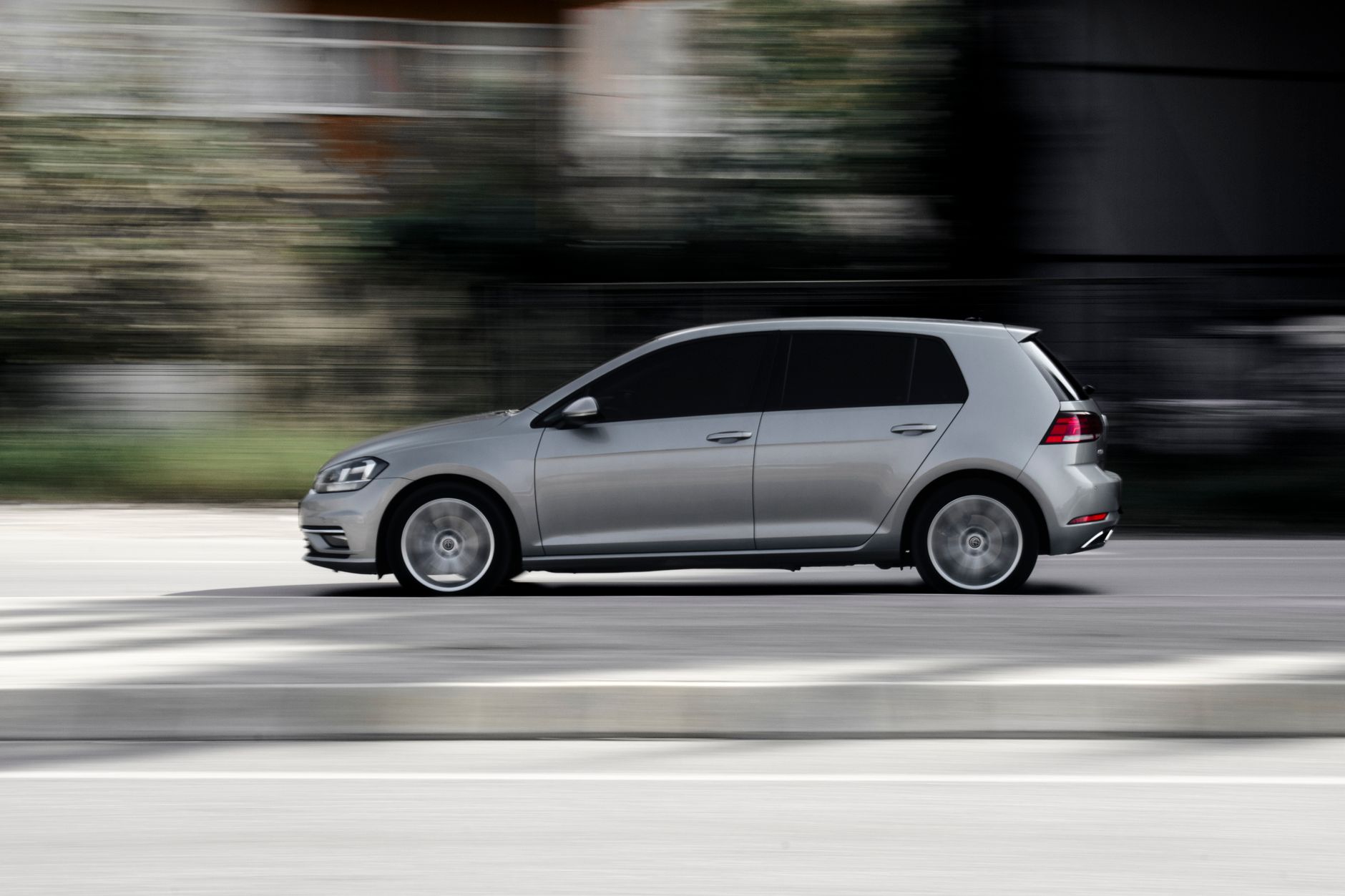
Volkswagen Mission Efficiency is making headlines as the world’s most economical near-production EV. This groundbreaking concept aims to redefine efficiency in electric vehicles.
Overview of Volkswagen Mission Efficiency
The Volkswagen Mission Efficiency is a groundbreaking concept that sets the standard for economical electric vehicles. This innovative near-production EV aims to redefine efficiency in the automotive industry, showcasing Volkswagen’s commitment to sustainability and cutting-edge technology.
With a focus on reducing emissions and maximizing energy consumption, the Mission Efficiency boasts a range of impressive features:
- Streamlined design: The vehicle’s aerodynamic shape minimizes drag, enhancing overall performance.
- Advanced battery technology: High-capacity batteries ensure extended range and faster charging times.
- Smart energy management: Intelligent systems optimize energy use, allowing for a more sustainable driving experience.
By prioritizing these elements, Volkswagen Mission Efficiency exemplifies the future of electric mobility, promising to deliver both performance and eco-friendliness to consumers worldwide.
Key Features of the Concept
The Volkswagen Mission Efficiency concept stands out with several key features that underscore its commitment to sustainability and performance.
- Advanced Aerodynamics: The vehicle’s sleek design minimizes air resistance, enhancing efficiency and range.
- Lightweight Materials: Utilizing innovative materials reduces overall weight, contributing to lower energy consumption.
- Efficient Powertrain: Equipped with a state-of-the-art electric powertrain, the Mission Efficiency delivers impressive performance while maintaining low energy usage.
- Smart Energy Management: The vehicle incorporates advanced software to optimize energy consumption based on driving conditions.
- Sustainable Production: Volkswagen emphasizes eco-friendly manufacturing processes, aligning with the Mission Efficiency’s green objectives.
These features collectively make the Volkswagen Mission Efficiency a leading contender in the near-production EV market, showcasing its potential for the future of sustainable transportation.
Impact on the EV Market
The introduction of the Volkswagen Mission Efficiency is poised to make a significant impact on the electric vehicle (EV) market. As one of the most economical near-production EVs unveiled to date, it sets a new benchmark for sustainability and efficiency in the automotive industry.
Industry experts believe that this innovative concept will:
- Inspire other manufacturers to prioritize efficiency in their designs, fostering a more competitive market.
- Encourage consumers to transition to electric vehicles by highlighting the potential for lower operational costs.
- Accelerate the development of supporting infrastructure, as demand for efficient EVs grows.
Overall, the Volkswagen Mission Efficiency is not just a concept; it represents a shift towards more sustainable and economically viable transportation solutions.
Future of Sustainable Driving
The future of sustainable driving looks promising with the introduction of the Volkswagen Mission Efficiency. This innovative concept is not just about reducing emissions; it represents a significant shift towards a more environmentally responsible approach to transportation. As cities become increasingly congested, the need for efficient electric vehicles is more crucial than ever.
Volkswagen aims to lead the charge by integrating advanced technologies that optimize energy consumption and enhance vehicle performance. The Mission Efficiency emphasizes not only driving range but also the importance of sustainability in manufacturing processes. It showcases a blend of performance and eco-friendliness, appealing to a new generation of drivers who prioritize both style and responsibility.
By setting new standards in the EV market, the Volkswagen Mission Efficiency could pave the way for future innovations, encouraging manufacturers to invest in greener technologies and practices.
Photo by Abdulvahap Demir on Pexels