
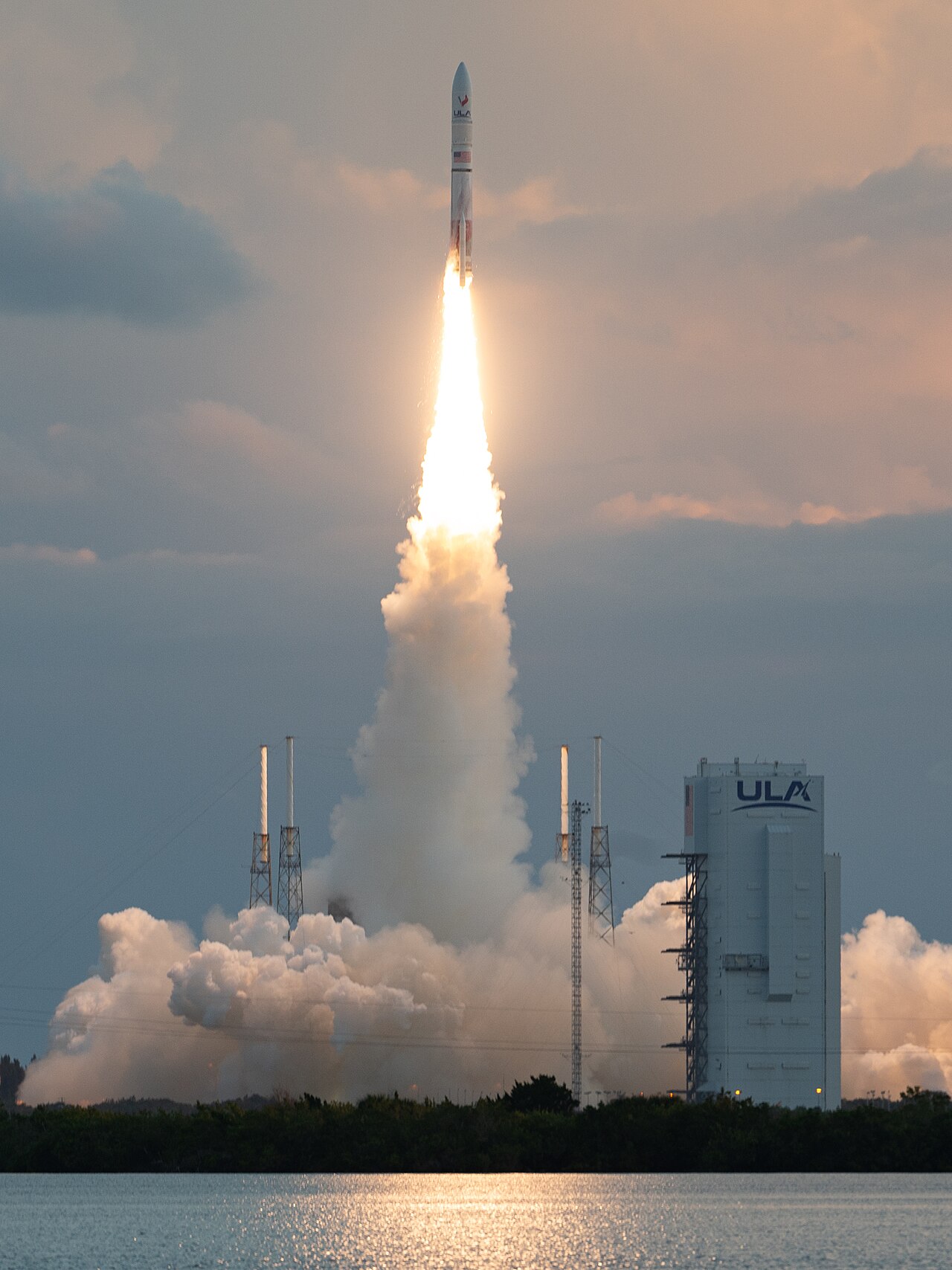
United Launch Alliance delay has once again postponed the satellite mission that was scheduled for takeoff on Friday. This setback raises concerns about future launches and project timelines.
What Caused the Delay?
The recent United Launch Alliance delay has raised concerns among stakeholders involved in the satellite mission. Initial plans for the launch were set for Friday, but multiple factors contributed to the setback.
Key issues leading to the delay include:
- Technical Glitches: Unforeseen technical difficulties were identified during pre-launch checks, necessitating additional troubleshooting and verification processes.
- Weather Conditions: Adverse weather conditions in the launch area were another significant factor, preventing a safe takeoff and requiring adjustments to the schedule.
- Regulatory Compliance: Ensuring compliance with safety regulations and securing the necessary approvals also played a role, as the team prioritized thoroughness over a rushed launch.
The combination of these challenges emphasizes the complexities involved in space missions and the need for meticulous planning. As the United Launch Alliance works to address these issues, the timeline for the satellite mission remains uncertain.
Impact on Future Missions
The recent United Launch Alliance delay has raised concerns about the implications for future satellite missions. Industry experts warn that this setback could ripple through the schedule of various upcoming launches, affecting both commercial and government projects.
Many stakeholders are closely monitoring the situation, as delays can lead to increased costs and lost opportunities. The ramifications of this incident may include:
- Increased Launch Costs: With each delay, the overall budget for missions can escalate due to extended operational timelines.
- Resource Reallocation: Teams may need to shift their focus and resources to address the issues stemming from the delay, which can detract from other projects.
- Regulatory Scrutiny: Continued delays may invite closer examination from regulatory bodies, impacting future approvals.
As the United Launch Alliance works to resolve the current issues, many in the aerospace community remain hopeful that upcoming missions will be less affected and proceed on schedule.
Reactions from Industry Experts
Industry experts are expressing concern over the recent United Launch Alliance delay, which has further postponed the satellite mission initially scheduled for launch this past Friday. Many believe that this setback could have a ripple effect on future launches and overall project timelines.
“The repeated delays signal underlying issues within ULA’s operational framework,” said Dr. Emily Carter, a prominent aerospace analyst. “It’s critical for the organization to address these challenges to maintain trust with clients and stakeholders.”
Other experts echoed similar sentiments, highlighting the importance of reliability in the space industry. “Every delay has consequences, not just for the projects in question, but for the entire sector,” remarked John Lee, a veteran engineer. “We need to ensure that these setbacks are managed effectively to avoid long-term repercussions.”
As the industry awaits further updates, all eyes are on ULA’s next steps to rectify the situation and regain momentum in their ambitious satellite launch schedule.
Timeline of Previous Delays
The United Launch Alliance delay marks yet another hurdle in the timeline of satellite missions. This is not the first instance of setbacks for the company. A brief overview of previous delays includes:
- January 2021: A critical mission was postponed due to adverse weather conditions, pushing the launch date back by two weeks.
- June 2021: Technical issues with the rocket’s propulsion system led to a month-long delay, causing frustration among stakeholders.
- September 2022: An unexpected anomaly during pre-launch checks resulted in a further delay, pushing the mission into the next quarter.
- March 2023: A software glitch was identified, necessitating a comprehensive review and an additional three-week postponement.
Each of these delays has compounded the challenges faced by the United Launch Alliance, raising concerns about the reliability and timeliness of future missions.
Technical Issues Explained
The recent United Launch Alliance delay has been attributed to a series of technical issues that have plagued the mission since its inception. Engineers discovered anomalies during a routine inspection that raised significant concerns about the rocket’s performance and safety. These issues primarily involve the propulsion systems, which are critical for successful launch and deployment of the payload.
Among the key problems identified were:
- Faulty sensors that failed to provide accurate readings during pre-launch checks.
- Software glitches in the flight control system that could compromise mission integrity.
- Structural weaknesses in the rocket’s frame, which were detected in stress tests.
The ULA team is working diligently to rectify these issues, but the complexity of the repairs means that further delays are likely. As they address these challenges, the focus remains on ensuring that the satellite mission can proceed safely and successfully in the future.
Next Steps for ULA
The recent United Launch Alliance delay has raised questions regarding the next steps for ULA as they work to address the issues that led to this setback. The organization’s engineering team is currently conducting a thorough analysis of the launch vehicle and its components to identify any lingering problems. This investigation is crucial in ensuring that all systems are functioning optimally before the next scheduled attempt.
Once the assessment is complete, ULA plans to implement necessary modifications and enhancements to the launch vehicle. These updates may involve software adjustments and hardware replacements to enhance reliability and safety. ULA is also expected to work closely with regulatory agencies to ensure compliance with all safety protocols.
In the coming weeks, ULA will provide updates on their progress and any changes to the launch timeline. Industry experts anticipate that a clear path forward will emerge, allowing ULA to regain momentum in their satellite mission efforts, which are critical for national security and technological advancements.
Public Response to the Delay
The recent United Launch Alliance delay has sparked significant public response, with many expressing their frustration over the repeated setbacks. Social media platforms have become a hotbed for discussions, with users sharing their thoughts on the reliability of ULA’s launch schedule.
Some key sentiments from the public include:
- Frustration: Many people have voiced their disappointment, emphasizing the importance of timely launches for scientific and commercial purposes.
- Concerns about Reliability: The frequency of delays has raised questions about ULA’s ability to meet future mission deadlines.
- Support for ULA: Conversely, some fans of the space industry have shown understanding, recognizing the complexities involved in rocket launches.
As the satellite mission’s timeline shifts, the public’s patience is being tested. This latest United Launch Alliance delay seems to have crystallized the divide between those eagerly anticipating advancements in space exploration and those worried about the implications of such delays on broader projects.
Comparing ULA with Competitors
The recent delay of the United Launch Alliance (ULA) satellite mission has raised questions about its competitiveness in the aerospace industry. As ULA faces another setback, industry observers are comparing its performance with that of its main competitors.
SpaceX has emerged as a formidable rival, known for its rapid turnaround times and cost-effective launch solutions. Their ability to reuse rocket components has allowed them to offer lower prices, which makes them increasingly attractive to satellite operators.
Another competitor, Arianespace, while not as dominant as SpaceX, has maintained a strong customer base in Europe and beyond, emphasizing reliability and timeliness in its launches.
Despite these challenges, ULA has a long-standing reputation for reliability and safety. However, the recent United Launch Alliance delay raises concerns about whether it can sustain its market share in a landscape that is becoming increasingly competitive.
Ultimately, ULA will need to address its operational inefficiencies to avoid falling behind its rivals.
The recent United Launch Alliance delay has raised concerns among stakeholders about the future of the satellite mission. As experts analyze the implications, it’s clear that the United Launch Alliance delay could have a ripple effect on upcoming space projects.
via Wikimedia Commons