
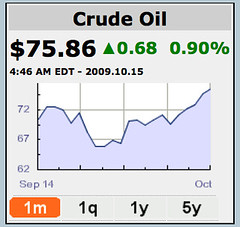
Oil prices rise amid ongoing discussions about the phased opening of the Hormuz Strait. This development could have significant implications for global markets and consumers alike.
Current Trends in Oil Prices
Recent reports indicate a significant upward trend in oil prices, driven by a variety of geopolitical and economic factors. As oil prices rise, analysts are closely monitoring the implications this surge will have on global markets and consumers alike.
In particular, the ongoing discussions about the phased opening of the Hormuz Strait have created a mixed sentiment among investors. While some view this as a potential stabilizing factor, the overall trend remains one of increasing prices, which raises concerns about inflation and economic growth.
Key factors influencing current oil price trends include:
- Supply chain disruptions: Ongoing conflicts and logistical challenges continue to hinder oil production and distribution.
- Increased demand: As economies recover from pandemic-related slowdowns, the demand for oil has surged, further pushing prices upward.
- Geopolitical tensions: Heightened tensions in oil-producing regions add uncertainty, which often leads to price volatility.
The rise in oil prices is likely to have a cascading effect across various sectors. Consumers may face higher costs for fuel and goods, while businesses could experience increased operational expenses. This scenario raises questions about the sustainability of economic recovery in the face of rising energy costs.
Impact of Hormuz Strait Discussions
The ongoing discussions regarding the phased opening of the Hormuz Strait are causing significant fluctuations in global oil prices. As one of the world’s most critical waterways for oil transportation, any changes in access can have far-reaching implications for markets and consumers alike.
According to industry analysts, the potential reopening of the strait could lead to a decrease in shipping costs and increased supply, which may ultimately help to stabilize oil prices in the long term. However, uncertainty surrounding these negotiations is keeping prices elevated in the short term.
Many market experts are closely monitoring the situation, as the rise in oil prices is already impacting various sectors. The following points highlight the key effects:
- Consumer Costs: Rising oil prices often translate to higher gasoline and heating costs for consumers, straining household budgets.
- Inflation Concerns: Increased fuel prices can contribute to broader inflationary pressures, affecting everything from food to transportation.
- Market Volatility: Investors are reacting to oil price fluctuations, leading to increased volatility in stock markets.
- Energy Sector Response: Energy companies may accelerate production or invest in alternative energy sources as a strategic response to price changes.
As discussions continue, the outcome will play a crucial role in shaping future oil price trends and their impact on both markets and consumers.
Market Reactions to Oil Price Changes
As oil prices rise, market reactions have been swift and varied, reflecting the uncertainties surrounding global energy supply and economic stability. Investors have been closely monitoring fluctuations in oil prices, which have a significant influence on various sectors of the economy.
In response to the latest market dynamics, analysts are observing several key trends:
- Stock Market Volatility: Energy stocks have seen a surge, with companies involved in oil extraction and production witnessing increased investor interest. However, broader market indices have experienced fluctuations as concerns about inflation and consumer spending loom.
- Consumer Sentiments: Rising oil prices often lead to higher fuel costs, impacting consumers directly. This change can result in decreased disposable income, influencing spending habits across various sectors, from retail to travel.
- Global Economic Concerns: Economists warn that sustained increases in oil prices could hinder economic recovery efforts, particularly in markets still grappling with the aftermath of the pandemic. The interconnectedness of global supply chains means that rising oil prices could have a ripple effect across multiple industries.
Overall, the rise in oil prices is prompting stakeholders to reassess their strategies, as they navigate the evolving landscape and its implications for future growth.
Consumer Effects of Rising Oil Prices
As oil prices rise, consumers are beginning to feel the pinch at the pump and in their daily expenses. The increase in fuel costs not only affects transportation but also has a ripple effect on various sectors of the economy.
Many households are now grappling with higher energy bills, as the cost of heating and electricity tends to increase with rising oil prices. This change disproportionately affects low-income families who spend a larger portion of their income on energy costs.
In addition to direct costs, the rise in oil prices leads to increased prices for goods and services. As transportation expenses rise, companies often pass these costs onto consumers, resulting in higher prices for everyday items. Consumers might notice changes in:
- Grocery bills: Delivery costs for food items could rise, impacting the final price at checkout.
- Travel expenses: Airline tickets and vacation costs may climb as fuel surcharges are implemented.
- Public transportation: Increased fares could affect daily commuters relying on buses and trains.
Overall, the impact of rising oil prices on consumers is multifaceted, affecting everything from personal budgets to national economic health, making it a critical issue for many. As discussions around oil supply continue, consumers are left to navigate the challenges that come with fluctuating prices.
Future Predictions for Oil Prices
As oil prices rise, analysts are closely monitoring future trends and potential impacts on the global economy. Predictions indicate that if tensions in key regions persist, prices could continue to escalate, reaching levels not seen in years. Many experts suggest that the ongoing discussions regarding the phased opening of the Hormuz Strait could play a significant role in shaping future oil prices.
Several factors are expected to influence the trajectory of oil prices:
- Geopolitical Tensions: Ongoing conflicts and political instability in oil-producing regions can lead to supply disruptions, further driving prices upward.
- Global Demand: With economies gradually recovering from the pandemic, an increase in demand for oil may exert additional pressure on prices, especially if supply remains constrained.
- Energy Transition: As countries commit to reducing carbon emissions, the shift towards renewable energy sources may impact oil prices in the long term; however, short-term fluctuations are anticipated due to transitional challenges.
- Market Speculation: Traders’ perceptions and market sentiment can significantly influence oil prices. Speculation regarding future supply and demand dynamics may lead to increased volatility.
Overall, as oil prices rise, both markets and consumers should prepare for a period of uncertainty and potential economic challenges ahead.
Global Energy Supply and Demand
The recent rise in oil prices has drawn significant attention to the dynamics of global energy supply and demand. As countries grapple with fluctuating production levels and geopolitical tensions, the equilibrium between supply and demand remains strained.
Several factors contribute to this volatility:
- Increased Global Demand: As economies recover from the pandemic, the appetite for oil has surged, particularly in developing nations where industrial activities are on the rise.
- Supply Chain Disruptions: Ongoing logistical challenges and production cuts by major oil-producing countries have restricted supply, further exacerbating the situation.
- Geopolitical Tensions: Conflicts in key oil-producing regions can lead to fears of supply shortages, driving prices upward.
- Environmental Regulations: Stricter policies aimed at reducing carbon emissions can impact production levels and create additional pressure on the existing supply.
As oil prices rise, energy analysts are closely monitoring these factors to assess their potential long-term effects on the market. Consumers may face higher costs not only at the pump but also in everyday goods and services, as increased energy prices ripple throughout the economy. Balancing these elements is critical for stabilizing the market and ensuring energy security for the future.
The recent trend shows that as oil prices rise, consumers are feeling the pinch at the pump. Additionally, when oil prices rise, market volatility tends to increase, causing uncertainty for investors.
By Stacy Herbert via Openverse