
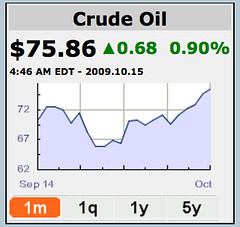
oil prices rise as stalled US-Iran talks continue to affect fuel market dynamics. This situation has led to increased volatility in energy prices, impacting consumers and businesses alike.
Current trends in oil prices
Recent developments in international relations have significantly influenced the energy market, with oil prices rise observed in the wake of stalled US-Iran talks. The geopolitical tensions have sparked concerns about supply disruptions, which have led to an uptick in crude oil prices.
Market analysts point to several key factors contributing to the current trends in oil prices:
- Geopolitical Uncertainty: The ongoing standoff between the United States and Iran has heightened fears of potential conflict, impacting investor sentiment.
- Tight Fuel Markets: With demand recovering post-pandemic, the supply of crude oil has struggled to keep pace, exacerbating price increases.
- OPEC+ Decisions: The Organization of the Petroleum Exporting Countries and its allies have maintained production cuts, aiming to stabilize the market amid rising demand.
- Economic Indicators: Strong economic data from major economies has driven market optimism, further supporting the rise in oil prices.
As the situation unfolds, energy experts emphasize the need for keen observation of diplomatic relations and market dynamics. The impact of these factors could lead to continued volatility in oil prices, affecting not only the energy sector but also broader economic conditions.
Impact of US-Iran negotiations
The ongoing negotiations between the United States and Iran have significant implications for global oil markets. As talks continue to stall, the uncertainty surrounding the potential for a nuclear deal has contributed to a rise in oil prices. Analysts warn that any delay in reaching an agreement could exacerbate tensions in the Middle East, leading to supply disruptions that further elevate costs.
Several factors are influencing the current dynamics:
- Geopolitical Tensions: The uncertainty surrounding the U.S.-Iran relationship has led to fears of conflict, which can disrupt oil supplies from the region.
- Market Response: Traders are reacting to the stalled negotiations by speculating on future supply limitations, pushing prices higher.
- Demand Recovery: Global demand for oil continues to increase as economies recover from the pandemic, intensifying pressure on already tight markets.
In this context, oil prices rise as investors seek to hedge against potential shortages. The situation remains fluid, with any breakthrough in talks likely to influence market sentiment significantly. For now, the uncertainty surrounding U.S.-Iran relations is a crucial factor in the current oil price landscape, leaving consumers and businesses alike watching closely for developments.
Tight fuel markets explained
The recent surge in oil prices can be attributed to several factors, with tight fuel markets playing a significant role. As geopolitical tensions escalate, particularly surrounding stalled US-Iran talks, market uncertainty has increased, leading to higher demand and decreased supply in the oil markets.
Several elements contribute to the tight fuel markets:
- Decreased Production: Many oil-producing nations have faced challenges in maintaining production levels due to various factors, including political instability and natural disasters. This has resulted in a reduction of available crude oil.
- Increased Global Demand: As economies recover from the pandemic, the demand for oil has surged. Industrial activity and travel have picked up, further straining the already tight supply.
- Supply Chain Disruptions: Ongoing logistical challenges and delays in transportation have also exacerbated the situation. These disruptions have made it difficult for oil to reach markets in a timely manner, further tightening fuel availability.
- Speculation: Investors are increasingly speculating on future oil prices, driving up current prices as they anticipate further increases due to the geopolitical climate.
As a result of these factors, the outlook for oil prices appears uncertain, with analysts warning of potential volatility in the near future.
Global energy market overview
The global energy market is currently experiencing significant fluctuations, largely driven by geopolitical tensions and supply chain issues. As oil prices rise, analysts are closely monitoring how these factors intertwine with demand and supply dynamics.
One of the main contributors to the recent increase in oil prices is the ongoing stalemate in negotiations between the United States and Iran. The lack of progress has raised concerns about potential disruptions in oil supply from the Middle East, prompting investors to react swiftly to the uncertainty.
Another important aspect influencing the energy market is the tight fuel markets. With demand rebounding post-pandemic, coupled with limited production increases from major oil-exporting nations, the balance between supply and demand has become precarious.
Factors affecting the global energy landscape include:
- Geopolitical tensions: Ongoing conflicts and negotiations can lead to volatility in oil supply.
- Economic recovery: As economies recover, the demand for energy is expected to rise, exerting upward pressure on prices.
- Environmental regulations: Stricter regulations may limit production capabilities for some countries.
- Technological advancements: Innovations in extraction and production can influence market stability.
As the situation evolves, stakeholders will need to stay vigilant to navigate the complexities of the energy market.
Consumer response to rising prices
As oil prices rise due to stalled US-Iran talks, consumers are beginning to feel the impact at the pump. With fuel costs on the rise, many individuals and families are adjusting their spending habits to accommodate the higher prices. This change in consumer behavior can be observed in several key areas:
- Increased public transportation use: Many commuters are opting for public transportation to save on fuel costs, leading to a noticeable uptick in ridership on buses and trains.
- Carpooling initiatives: More people are forming carpools to share the burden of rising gasoline prices, contributing to reduced traffic congestion in urban areas.
- Shift towards fuel-efficient vehicles: Consumers are increasingly interested in purchasing fuel-efficient or electric vehicles as a long-term strategy to combat rising oil prices.
Retailers are also responding to the situation. Some businesses are offering discounts for customers who use alternative transportation methods, while others are adjusting their delivery schedules to minimize fuel expenses. In addition, there is a growing interest in local products, as consumers seek to reduce their reliance on long-distance transportation.
Overall, the rise in oil prices is prompting consumers to rethink their choices, leading to broader changes in lifestyle and spending patterns as they adapt to the new economic reality.
Expert opinions on future trends
As oil prices rise amid stalled negotiations between the US and Iran, experts are weighing in on the potential implications for the energy market. According to Dr. Emily Carter, an energy economist at the Global Energy Institute, “The uncertainty surrounding the US-Iran talks has led to increased speculation, driving prices higher. If the negotiations remain stagnant, we could see further escalation in oil prices.”
Analysts suggest that the complexities of geopolitical relationships will play a significant role in shaping future trends. John Smith, a senior analyst at Energy Insights, emphasizes that “the current tight fuel markets are exacerbated by supply chain disruptions and geopolitical tensions. Investors are reacting accordingly, which could lead to a volatile market.”
Some experts believe that renewable energy solutions may become more attractive as a result of rising oil prices. Dr. Lisa Nguyen, a sustainability expert, states, “As traditional oil prices rise, we might witness an accelerated transition towards alternative energy sources. This could be a pivotal moment for the industry, as consumers look for more stable and sustainable options.”
Overall, while the immediate future of oil prices remains uncertain, the consensus among experts suggests that continued geopolitical tensions and market pressures will likely keep prices elevated for the foreseeable future.
Historical context of oil prices
The history of oil prices has been shaped by various geopolitical events and market dynamics. Over the decades, fluctuations in prices have often mirrored the political climate surrounding major oil-producing nations.
In the early 1970s, oil prices surged due to the OPEC oil embargo, which highlighted the world’s dependence on Middle Eastern oil. This event marked a turning point, leading to a decade of volatility as prices spiked and plummeted in response to various conflicts and economic crises.
- 1980s: The Iran-Iraq War caused significant disruptions in oil supply, leading to a dramatic increase in prices that persisted until the end of the decade.
- 1990s: The Gulf War triggered another spike as markets reacted to the threat of instability in the region.
- 2000s: Prices rose steadily due to rising demand from emerging economies, coupled with geopolitical tensions, particularly around Iran’s nuclear program.
- 2014: A significant drop occurred as U.S. shale production surged, changing the dynamics of supply and demand.
As of late 2023, oil prices rise again, largely influenced by stalled US-Iran talks and continuing tight fuel markets. These historical precedents serve as reminders of how deeply intertwined oil prices are with global political developments, emphasizing the ongoing vulnerability of markets to geopolitical events.
Predictions for the next quarter
As we look ahead to the next quarter, analysts predict that oil prices will continue to rise due to several key factors. The ongoing standoff in US-Iran negotiations has left many uncertain about future production levels, which could lead to tighter supply and higher prices. Additionally, the current geopolitical climate suggests that volatility is likely to persist.
Several factors are expected to influence oil prices in the coming months:
- Geopolitical tensions: The unresolved issues between the US and Iran may lead to sanctions or military actions that could disrupt oil flows.
- Seasonal demand: With winter approaching, global demand for heating oil is anticipated to increase, further straining already tight markets.
- OPEC+ decisions: The actions taken by OPEC+ in response to rising prices will significantly impact supply levels and market dynamics.
- Inflationary pressures: Broader economic factors, including inflation, could drive up production costs, ultimately pushing prices higher.
Overall, the outlook for oil prices remains bullish as the combination of geopolitical uncertainty and seasonal demand is likely to create upward pressure. Industry experts advise stakeholders to remain vigilant as these developments unfold, keeping a close eye on the potential for further price increases in the wake of stalled US-Iran talks.
The uncertainty surrounding the stalled US-Iran talks has led many analysts to predict that oil prices rise in response to geopolitical tensions. As investors react to the potential for supply disruptions, we can expect further fluctuations as oil prices rise in the coming weeks.
By Stacy Herbert via Openverse