
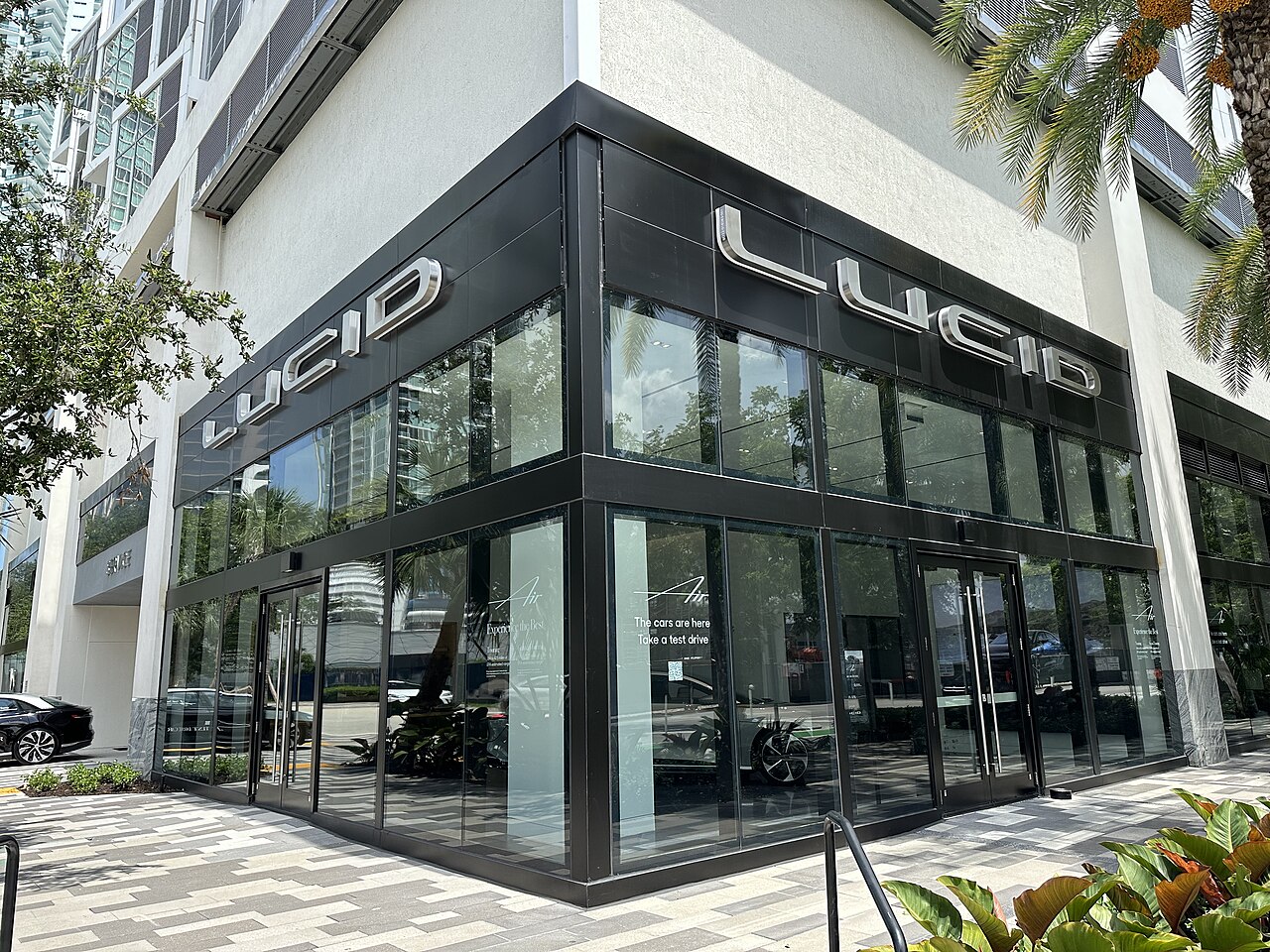
Lucid Q3 deliveries have fallen 6.7% as the electric vehicle maker cuts production to align with demand. This strategic move reflects the challenges faced in the current market.
Overview of Lucid’s Q3 Deliveries
Lucid Motors has reported its third quarter (Q3) deliveries, showcasing a significant decline in performance as the company grapples with production cuts aimed at aligning supply with demand. The latest figures reveal a 6.7% drop in deliveries compared to the previous quarter. This downturn marks the worst decline for the automaker since its inception, raising concerns among investors and industry analysts alike.
In light of the recent adjustments, Lucid’s strategy appears to focus on stabilizing its production capabilities while addressing the fluctuating demand for electric vehicles (EVs). The company has emphasized its commitment to enhancing efficiency and ensuring that its manufacturing process is both sustainable and scalable.
Factors contributing to the decline in Q3 deliveries include:
- Production Adjustments: Cuts in production have been implemented to better match the current market demand.
- Supply Chain Challenges: Ongoing issues within the supply chain have affected the availability of key components.
- Market Competition: Increased competition in the EV sector has made it challenging for Lucid to maintain its market share.
As Lucid navigates these turbulent waters, the focus on Q3 deliveries highlights the critical need for the company to adapt its strategy to ensure long-term viability and growth in the competitive electric vehicle market.
Impact of Production Cuts on Lucid
The recent reduction in production at Lucid Motors has significantly influenced the company’s overall performance, particularly reflected in the Lucid Q3 deliveries, which experienced a notable decline. This strategic decision to cut back on manufacturing was driven by a need to better align with current market demand, a move that many analysts had anticipated.
The impact of these production cuts has created a ripple effect throughout the organization. The following points illustrate the key consequences:
- Reduced Output: Lucid’s decision to lower production has led to a direct decrease in the number of vehicles delivered during the third quarter.
- Financial Implications: The decline in deliveries may negatively affect the company’s revenue projections, raising concerns among investors about future profitability.
- Market Perception: The drop in deliveries has caused some analysts to question Lucid’s ability to scale effectively in a competitive electric vehicle market.
- Focus on Quality: By reducing production, Lucid aims to ensure that each vehicle meets high standards, potentially improving customer satisfaction in the long run.
While the Lucid Q3 deliveries statistics reveal a challenging phase for the automaker, the strategic cuts may serve as a necessary step towards sustainable growth in the evolving EV landscape.
Market Response to Lucid’s Strategy
The recent announcement regarding Lucid Q3 deliveries has elicited a mixed response in the market, reflecting investor sentiment toward the company’s revised production strategy. As Lucid navigates the challenges of aligning its output with demand, analysts are closely monitoring how these changes will affect the company’s long-term viability.
Several key factors have influenced the market’s reaction:
- Stock Performance: Following the news of the decline in deliveries, Lucid’s stock experienced volatility, with some investors expressing concerns about the sustainability of the company’s growth. The 6.7% drop in Q3 deliveries has raised questions about future profitability.
- Investors’ Confidence: The decision to cut production may indicate that Lucid is taking a cautious approach. However, some investors worry that this could signal deeper issues within the company, leading to a lack of confidence in its ability to compete in the increasingly crowded EV market.
- Market Trends: Analysts are weighing Lucid’s strategy against broader industry trends. As demand for electric vehicles continues to fluctuate, Lucid’s ability to adapt will be crucial. The focus now is on how effectively the company can ramp up production in response to future demand.
Ultimately, the market’s response to Lucid’s Q3 deliveries highlights the delicate balance between production and demand in the electric vehicle sector.
Future Outlook for Lucid Motors
As Lucid Motors navigates through the complexities of the electric vehicle market, the future outlook remains uncertain following the recent decline in Lucid Q3 deliveries. The company’s strategy to cut production has raised questions about its long-term viability and competitiveness in an increasingly crowded EV landscape.
Analysts suggest that while the immediate impact of production cuts may lead to short-term pain, there is potential for a rebound if demand aligns more closely with supply. Key factors influencing this outlook include:
- Market Demand: Understanding consumer preferences and adapting offerings is crucial for future success.
- Technological Advancements: Continued investment in R&D could enhance product appeal and performance.
- Partnerships and Collaborations: Strategic alliances may help expand market reach and improve operational efficiencies.
Moreover, the upcoming launch of new models and updates to existing ones could reinvigorate interest in the brand. However, it will require careful balancing of production capabilities and consumer expectations to avoid further declines in deliveries. Investors and industry experts will be closely watching Lucid’s movements in the coming months, as the company attempts to recover from this challenging period and redefine its position in the EV market.
Lucid Q3 deliveries have experienced a significant downturn, reflecting the challenges the company faces amid ongoing production cuts. As analysts scrutinize the figures, it becomes evident that Lucid Q3 deliveries are crucial for understanding the brand’s future trajectory.
via Wikimedia Commons
Read the original
Jio IPO launch: Key details and what to expect · Is Aprilia SXR GT 125 the Best Maxi-Scooter in India? · Honda Elevate facelift: Best features and design changes