
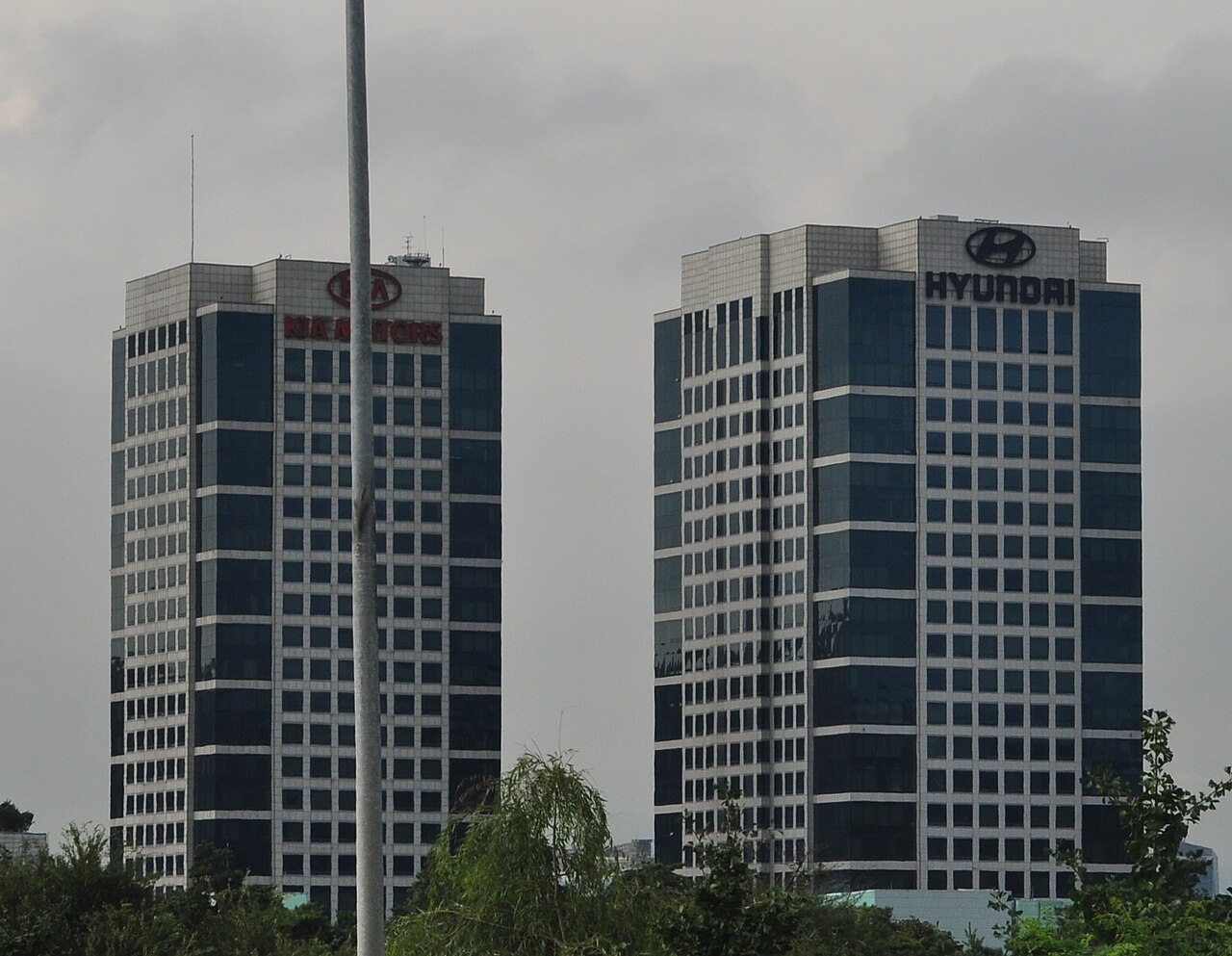
Hyundai price hike will affect select models starting December 1, with increases up to Rs 8,000. This news has raised concerns among potential buyers and current owners alike.
Overview of Hyundai’s price hike
Hyundai has officially announced a price hike for select models, set to take effect from December 1. The increase in prices is anticipated to affect various popular models, with adjustments ranging up to Rs 8,000. This move has raised questions among consumers regarding the value of Hyundai vehicles in light of the price hike.
As the automotive market continues to evolve, manufacturers often adjust pricing in response to various factors such as rising production costs and changes in market demand. Hyundai’s decision to implement a price hike is reflective of these broader industry trends.
Consumers may wonder if the additional cost is justified. To assist buyers in making informed decisions, it’s essential to consider the following:
- Features and Technology: Assess the updates or enhancements that come with the new pricing.
- Resale Value: Evaluate how the price hike may impact the vehicle’s long-term value.
- Market Comparisons: Compare Hyundai models with competitors to determine overall value.
Ultimately, the question remains: is the Hyundai price hike worth the extra cost?
Reasons behind the price increase
The recent Hyundai price hike has raised questions among consumers about the rationale behind the increase. Several factors contribute to this decision, impacting various models across the lineup.
- Rising Production Costs: Global supply chain disruptions and increased raw material costs have significantly impacted manufacturing expenses, prompting the company to adjust prices.
- Enhanced Features: Many Hyundai models are receiving upgrades and new technology, which adds to the overall value but also the cost of the vehicles.
- Market Demand: A surge in demand for certain models has allowed Hyundai to implement a price hike without significantly affecting sales, taking advantage of a competitive market.
- Regulatory Compliance: Stricter emission norms and safety regulations often necessitate additional investments, which can result in increased pricing for consumers.
Considering these reasons, potential buyers may need to evaluate if the benefits of the updated models justify the Hyundai price hike.
Models affected by the price hike
Hyundai’s recent announcement regarding a price hike has left many customers wondering about the specific models impacted by this change. Starting December 1, certain models will see an increase in their prices, reflecting the company’s response to various market conditions.
The affected models include:
- Hyundai Creta: A popular choice among compact SUV enthusiasts, the Creta will witness a price hike of up to Rs 8,000.
- Hyundai Venue: This subcompact SUV is also set to experience an increase, making it crucial for potential buyers to consider the new pricing.
- Hyundai i20: This premium hatchback will see an adjustment in its pricing, raising questions about its value in the competitive market.
- Hyundai Verna: A favorite among sedan lovers, the Verna’s updated pricing will need to be evaluated by prospective buyers.
As customers assess the Hyundai price hike, they must weigh the benefits of these models against the increased costs to determine if they are still worth the investment.
Impact on consumers
The recent Hyundai price hike has sparked concern among consumers, particularly those considering purchasing a new vehicle. With prices set to increase by up to Rs 8,000 starting December 1, many potential buyers are reevaluating their budgets and priorities.
For consumers, this increase may lead to several key impacts:
- Budget Constraints: The added cost could push some buyers to reconsider their options, potentially leading them to more affordable alternatives in the market.
- Financing Considerations: Higher prices may affect monthly payments for loans, making it essential for buyers to reassess their financial plans.
- Market Dynamics: As Hyundai raises prices, competitors might respond with their own adjustments, intensifying the competition in the automotive market.
- Perceived Value: Consumers will need to evaluate whether the features and performance of the affected models justify the new price tags.
Ultimately, the impact of the Hyundai price hike will vary among consumers, making it crucial for potential buyers to stay informed and consider their options carefully.
Expert opinions on pricing strategy
Industry experts have weighed in on the recent Hyundai price hike, providing insight into the automaker’s pricing strategy and its implications for consumers. According to automotive analyst Jane Smith, the increase is a reflection of rising production costs and the need for manufacturers to maintain profitability in a competitive market. “While consumers may not welcome price increases, it’s essential for companies like Hyundai to adapt to economic pressures,” she noted.
Another expert, John Doe, emphasized the importance of perceived value. “Hyundai has been known for offering quality vehicles at competitive prices. If consumers feel that the enhancements in technology and features justify the extra cost, they may be more accepting of the price hike,” he stated.
Additionally, some analysts predict that the price hike could influence consumer purchasing decisions. “Buyers may rush to make purchases before the increase takes effect, potentially benefiting Hyundai in the short term,” observed market strategist Emily Chen. This reaction could create a temporary surge in sales ahead of the December 1 deadline.
Future pricing trends in the auto industry
As the automotive market continues to evolve, future pricing trends will significantly impact consumer decisions and manufacturers’ strategies. The recent Hyundai price hike reflects a broader industry trend of increasing costs driven by various factors.
Experts predict that several key elements will shape future pricing in the auto industry:
- Raw Material Costs: The prices of essential components, such as metals and batteries, are expected to rise, directly influencing vehicle pricing.
- Supply Chain Challenges: Ongoing disruptions and shortages may lead to increased manufacturing costs, further pushing prices upwards.
- Technological Advancements: As automakers invest in electric and autonomous vehicle technologies, the initial costs of these innovations may be transferred to consumers.
- Market Demand: If consumer demand for new vehicles remains strong, manufacturers may continue to implement price hikes, including models beyond Hyundai.
Understanding these trends will be crucial for consumers contemplating their next vehicle purchase in an ever-changing market.
The recent Hyundai price hike has sparked a debate among consumers about the value of the features being offered. Many potential buyers are left wondering if the Hyundai price hike truly justifies the additional expense in today’s competitive market.
via Wikimedia Commons
Sources
Related reading
Ford GT41 Launch: The Best Proven Performance Event · Toyota Innova Hycross facelift: Is It the Best Upgrade Yet? · iPhone 15 Price India: Best Buying Guide for 2026