
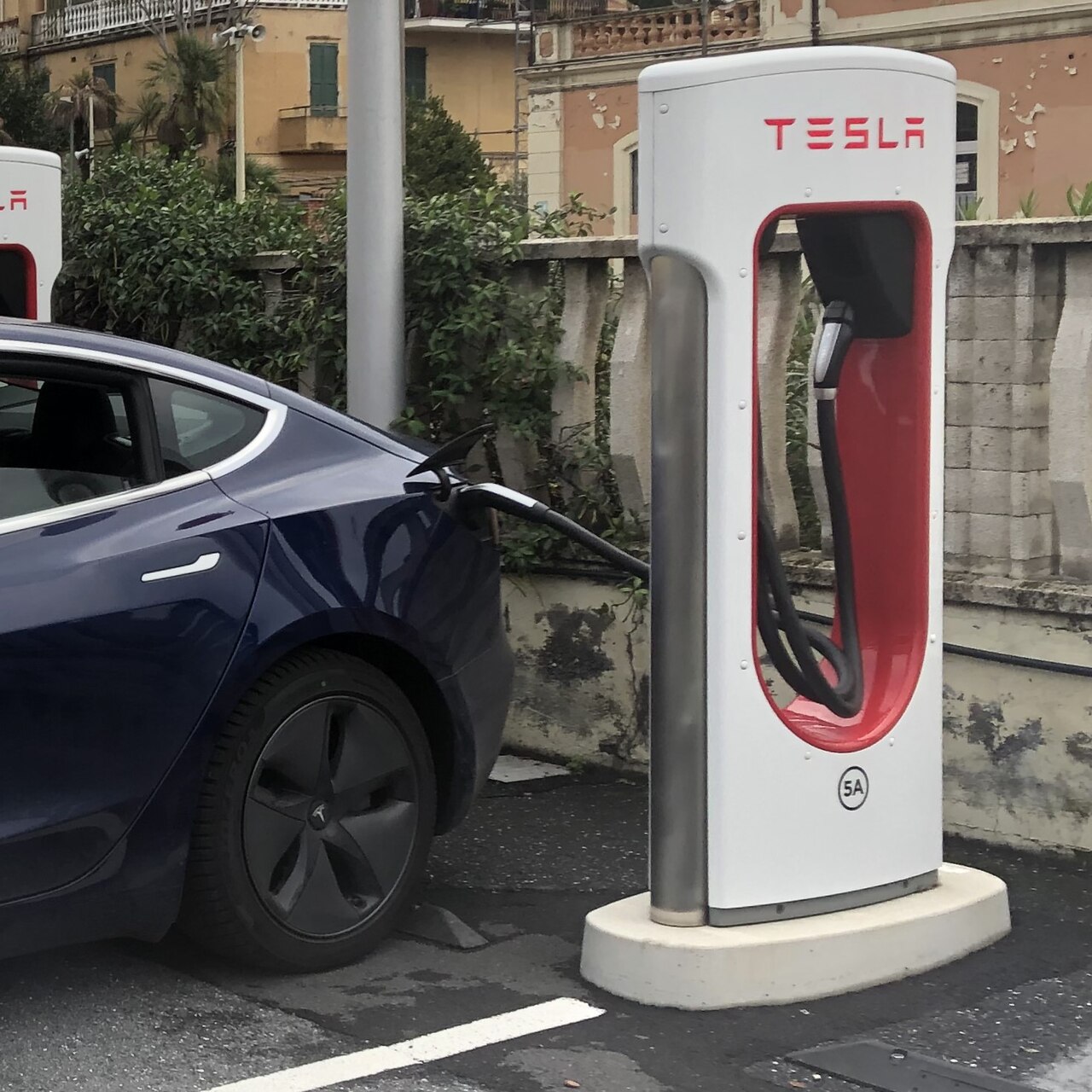
EV charging stations in India are struggling with less than 1% utilization, highlighting significant challenges in the country’s electric vehicle infrastructure.
Current state of EV charging stations
India’s electric vehicle (EV) charging stations are currently facing significant challenges, with utilization rates falling below 1%. This alarming statistic highlights a mismatch between the rapid growth of electric vehicle adoption and the infrastructure needed to support it.
Several factors contribute to this low utilization:
- Lack of Awareness: Many potential EV owners are unaware of the locations and availability of charging stations.
- Accessibility Issues: A significant number of charging stations are situated in areas that are not easily accessible to the average user.
- Insufficient Infrastructure: The current network of EV charging stations is inadequate to meet the growing demand for electric vehicles.
- Charging Speed: Many stations offer slow charging options, making them less appealing compared to traditional fuel stations.
- Cost Factors: The cost of using some charging stations can be a deterrent for potential users.
To address these issues, stakeholders in the EV ecosystem must work together to enhance the infrastructure and promote awareness. This could involve increasing the number of charging points, improving their accessibility, and ensuring that they offer faster charging options. Only through these measures can India hope to improve the utilization rates of its EV charging stations and support the country’s transition to electric mobility.
Challenges faced by EV infrastructure
The expansion of EV charging stations in India faces several challenges that hinder their effectiveness and utilization rates. Despite the government’s push for electric vehicle adoption, the infrastructure necessary to support widespread EV use remains inadequate. One primary issue is the lack of a comprehensive network of charging stations, which results in range anxiety among potential EV users.
Additionally, many existing EV charging stations are not conveniently located. Often, they are situated far from residential areas or major thoroughfares, making them less accessible to everyday commuters. This geographical limitation discourages EV purchases, as potential buyers are concerned about the availability of charging options.
Another significant challenge is the inconsistent charging speeds at various stations. Many chargers deliver slower charging rates, which can be inconvenient for users who need quick top-ups during their journeys. This inconsistency can lead to frustration and further deter individuals from adopting electric vehicles.
Moreover, public awareness about EV charging stations remains low. Many consumers are unaware of the available infrastructure and how to utilize it effectively. This lack of information can lead to underutilization, exacerbating the already poor situation.
In summary, the low utilization rates of EV charging stations in India can be attributed to inadequate infrastructure, poor location planning, slow charging speeds, and insufficient public awareness.
Government initiatives for EV growth
The Indian government has recognized the critical need for robust infrastructure to support the growth of electric vehicles (EVs) and is taking significant initiatives to enhance the network of EV charging stations across the country.
To address the low utilization rates, which currently hover around less than 1%, several measures have been proposed:
- Policy Framework: The government is developing a comprehensive policy framework aimed at incentivizing private investments in EV charging stations. This includes tax breaks and subsidies for businesses that set up charging infrastructure.
- Public-Private Partnerships: Encouraging collaboration between public and private sectors is a key strategy. By leveraging the strengths of both, the government aims to accelerate the deployment of charging networks.
- Faster Permitting Processes: To streamline the installation of charging stations, initiatives to simplify and expedite permitting processes have been introduced, reducing bureaucratic delays.
- Awareness Campaigns: The government is also launching awareness campaigns to inform the public about the benefits of EVs and the available charging facilities, aiming to boost user engagement.
As these initiatives unfold, stakeholders hope that improved accessibility and convenience of EV charging stations will drive greater adoption of electric vehicles, ultimately fostering a sustainable future for India’s transportation sector.
Comparative analysis with global standards
The utilization rates of EV charging stations in India have been found to be significantly lower than those in many developed nations. A comparative analysis reveals stark contrasts in the deployment and usage of charging infrastructure across different regions.
In countries like Norway and the Netherlands, EV charging stations enjoy utilization rates exceeding 60%, driven by a robust network and high adoption rates of electric vehicles. In contrast, India’s utilization rates hover below 1%, highlighting the inefficiencies in the current system.
Several factors contribute to this disparity:
- Infrastructure Development: Advanced nations have prioritized the expansion of their EV charging networks, ensuring accessibility and convenience for users.
- Public Awareness: There is a greater awareness and acceptance of electric vehicles among consumers in developed countries, leading to higher demand for charging stations.
- Government Incentives: Countries with substantial government support for EV adoption, such as subsidies and tax breaks, naturally see a better uptake of both electric vehicles and charging infrastructure.
- Technological Integration: Many nations have integrated smart technologies into their EV charging stations, enhancing user experience and efficiency.
As India strives to improve its EV infrastructure, addressing these gaps in utilization will be crucial for fostering a sustainable and efficient electric vehicle ecosystem.
Future of electric vehicles in India
The future of electric vehicles in India hinges significantly on the development and efficiency of EV charging stations. Currently, the country is grappling with less than 1% utilization of these stations, which poses a challenge for the widespread adoption of electric vehicles. To encourage growth in this sector, several factors need to be addressed.
First and foremost, increasing public awareness about the benefits of electric vehicles and the availability of charging infrastructure is crucial. Many potential EV owners remain unaware of the locations and accessibility of charging stations, resulting in hesitance to transition from traditional fuel vehicles.
Moreover, improvements in the charging technology can significantly enhance user experience. Fast-charging options and smart charging solutions could alleviate concerns about range anxiety among consumers. The integration of mobile applications to locate nearby charging stations and monitor their availability in real-time could also drive higher utilization rates.
- Investment in Infrastructure: Increased investment from both public and private sectors is essential to expand the network of EV charging stations.
- Collaboration with Businesses: Partnering with retail and commercial establishments to install charging points could provide more convenient access for EV users.
- Government Incentives: Continued support through subsidies and incentives for both EV buyers and charging station operators could stimulate growth.
Ultimately, the successful integration of EV charging stations into India’s urban landscape will be pivotal for the future of electric vehicles in the country.
Public perception of EV charging
The public perception of EV charging stations in India is marked by a mix of skepticism and confusion. Despite the government’s push for electric vehicles, many potential users remain unaware of the available charging infrastructure and its benefits.
Several factors contribute to this perception:
- Lack of Awareness: Many consumers do not know where the charging stations are located, or how to use them effectively. This knowledge gap discourages people from considering electric vehicles as a viable option.
- Concerns about Accessibility: The fear of running out of charge during travel is prevalent, leading to hesitancy in adopting electric vehicles. Potential users are unsure if they can find a charging station when needed.
- Charging Speed: Slow charging times at many stations further compound the issue. Drivers are often concerned that charging will take longer than refueling a conventional vehicle, impacting their travel plans.
- Cultural Factors: In a country where traditional fuels have dominated for decades, transitioning to electric vehicles requires a significant change in mindset, which is not easily achieved.
As the utilization rates of EV charging stations remain below 1%, addressing public perception is crucial for the future of electric mobility in India. Enhancing awareness and accessibility could pave the way for a more sustainable automotive landscape.
via Wikimedia Commons