
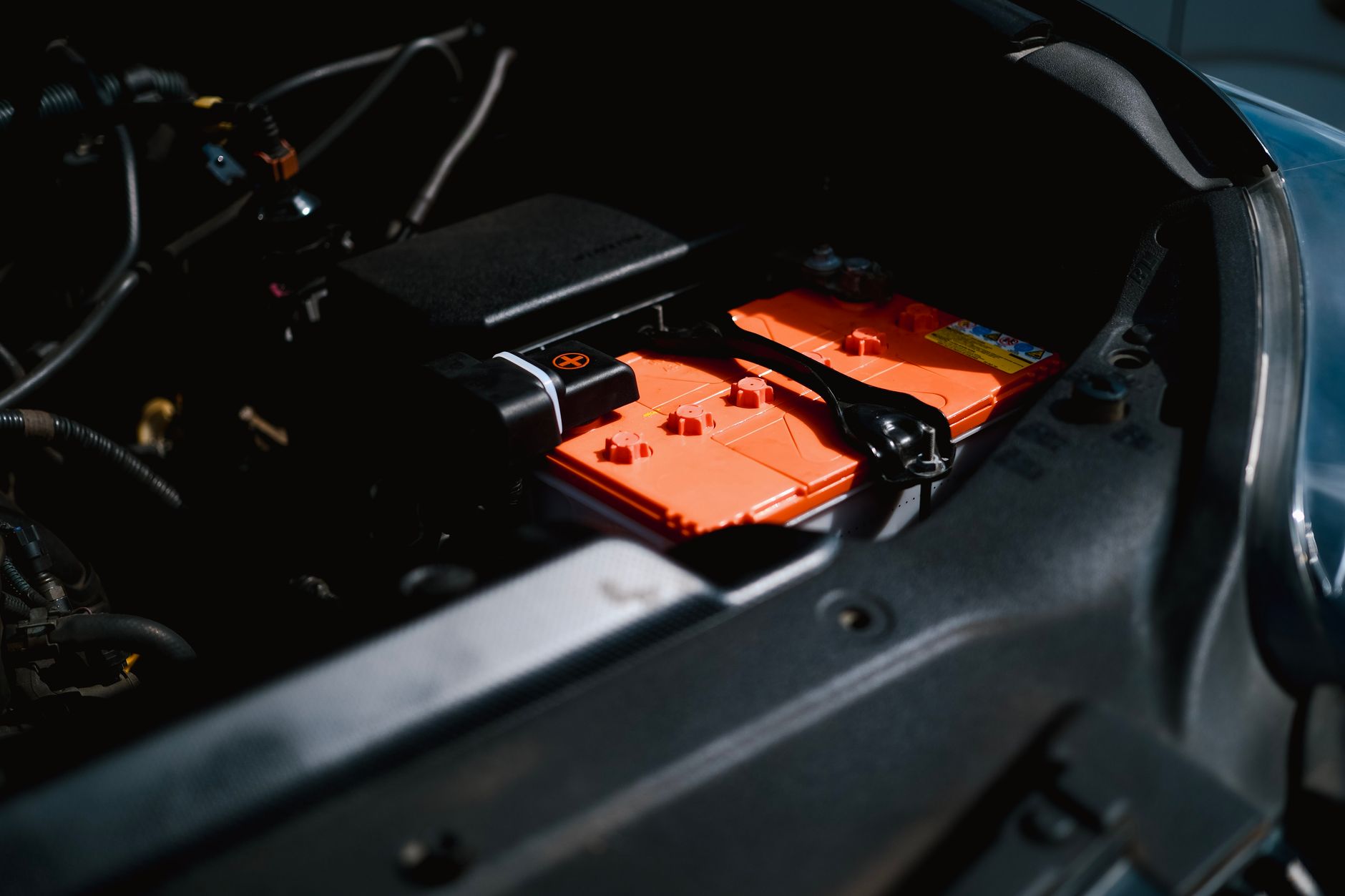
EV battery replacement costs are a hot topic in India, especially with the recent trends and the impact of the PLI scheme. As electric vehicles gain popularity, understanding the future of battery costs is crucial for consumers and manufacturers alike.
Understanding EV Battery Replacement Costs
As electric vehicles (EVs) continue to gain popularity, understanding the EV battery replacement costs becomes increasingly important for potential buyers and current owners alike. Battery replacement is one of the most significant expenses associated with owning an EV, and various factors contribute to the overall cost.
First and foremost, the type and capacity of the battery play a crucial role in determining replacement costs. Larger batteries with higher capacities typically come with a steeper price tag. Additionally, the specific make and model of the vehicle can influence costs, as some manufacturers may charge more for proprietary battery technology.
Another significant factor is the age and condition of the battery. As EV batteries degrade over time, the need for replacement may arise sooner than expected. Buyers should also consider warranty options and potential trade-in value, which can mitigate some of the financial burden.
In recent developments, government initiatives and the Production-Linked Incentive (PLI) scheme are expected to impact the market positively. These trends may lead to reduced costs in the long term, providing relief to consumers. However, experts remain cautious about predicting immediate price drops, as supply chain challenges and production capacities continue to evolve.
In summary, understanding the various elements that affect EV battery replacement costs is essential for making informed decisions regarding electric vehicle ownership.
New Trends in EV Battery Pricing
As the electric vehicle (EV) market continues to expand, new trends are emerging that could significantly impact EV battery replacement costs. Recent advancements in battery technology and manufacturing processes are paving the way for more affordable solutions for consumers.
One of the most notable trends is the shift towards lithium iron phosphate (LFP) batteries. These batteries are becoming increasingly popular due to their lower production costs and enhanced safety features. As more manufacturers adopt LFP technology, it is expected that the overall costs associated with EV battery replacement will decline.
Additionally, government incentives and policies, such as the Production-Linked Incentive (PLI) scheme in various regions, are fostering a competitive market environment. These initiatives aim to encourage local production of EV batteries, ultimately leading to a decrease in costs for consumers.
Another factor contributing to potential cost reductions is the growing demand for second-life battery applications. As EV batteries reach the end of their automotive lifespan, they can be repurposed for energy storage solutions in homes and businesses, further driving down the overall costs associated with battery replacement.
In conclusion, while current EV battery replacement costs remain high, the combination of technological advancements and supportive government policies may soon lead to a more affordable future for EV owners.
Impact of PLI Scheme on Battery Costs
The introduction of the Production-Linked Incentive (PLI) scheme is expected to have a significant impact on EV battery replacement costs in the coming years. This initiative aims to bolster domestic manufacturing and reduce dependency on imports, which has been a primary factor contributing to high battery prices.
Under the PLI scheme, manufacturers are incentivized to enhance production capacities, leading to economies of scale. As more companies invest in battery production, the overall supply is likely to increase, potentially driving down costs. Industry experts believe that these incentives could lower the price of lithium-ion batteries, which are crucial for electric vehicles.
Moreover, the PLI scheme encourages innovation and the development of new technologies, which can further optimize battery performance and reduce costs. This could lead to:
- Improved energy density: Enhancements in battery technology may lead to batteries that store more energy at a lower cost.
- Longer lifespan: Advances in materials may reduce the frequency of battery replacements, alleviating some of the financial burden on consumers.
- Increased competition: A larger number of manufacturers in the market could lead to better pricing strategies and options for consumers.
As a result, while the current EV battery replacement costs remain relatively high, the future looks promising as the PLI scheme takes effect.
Future of Electric Vehicle Batteries in India
The future of electric vehicle batteries in India looks promising as technological advancements and market dynamics evolve. With the increasing adoption of EVs, manufacturers are focusing on reducing EV battery replacement costs to make electric vehicles more accessible to the general public.
Government initiatives, such as the Production Linked Incentive (PLI) scheme, are encouraging local production of batteries, which is expected to significantly lower costs in the coming years. This support is helping to foster innovation and improve supply chain efficiencies, ultimately benefiting consumers.
Additionally, research into new battery technologies, including solid-state batteries and higher energy density options, may lead to longer-lasting batteries and reduced replacement frequency. As these technologies become commercially viable, they could also contribute to a decrease in replacement costs.
Another factor influencing the future landscape of EV batteries is the growing emphasis on sustainability. Companies are investing in recycling and repurposing old batteries, which not only helps reduce waste but also lowers the overall costs associated with battery production and replacement.
As these developments unfold, stakeholders in the electric vehicle sector are optimistic that the combination of government support, technological innovation, and sustainability initiatives will lead to a significant reduction in costs, making EV ownership more feasible for consumers across India.
As the demand for electric vehicles continues to rise, many consumers are concerned about the long-term EV battery replacement costs. Analysts predict that advancements in battery technology could lead to a significant decrease in EV battery replacement costs in the coming years.
Photo by Ayyeee Ayyeee on Pexels
Read the original
Related reading
BMW iX4 Price: Best Value for 800km EV Range · Oil Prices Fall: The Clear Impact on Global Markets · Is the BMW iX4 Electric Coupe Worth the Hype?