
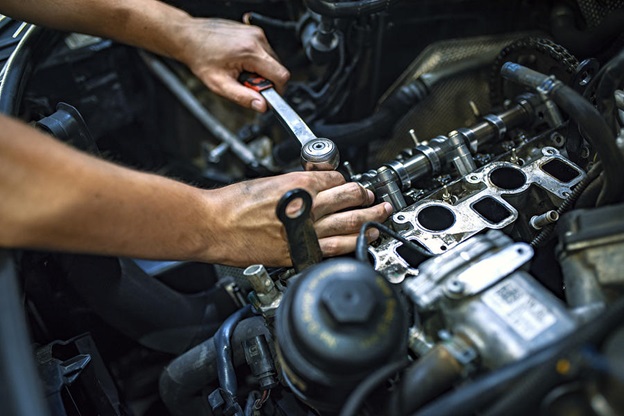
Your car cabin holds many invisible dangers. Sometimes, you breathe in highly toxic highway exhaust particles. Drivers used to accept this dusty air as normal. But now, automotive manufacturing prioritizes strict human health metrics. The humble cabin air filter serves as your primary defense. This small part removes microscopic allergens from the ventilation stream. Therefore, modern vehicles offer a cleaner breathing environment than old models along with best Auto Repair in Eagleville, PA based repairs.
The Early Days of Vehicle Ventilation Design
Early passenger vehicles lacked specialized air filtration systems entirely. Passengers simply tolerated heavy dust during long summer drives. Road debris and seasonal pollen entered the interior compartment freely. But the best equipment marked a massive turning point for global manufacturing regulations. Engineers suddenly realized the long-term dangers of breathing highway smoke. Consequently, safety groups pushed for better interior air quality standards. Early basic mesh screens evolved into highly advanced filtration devices.
How Modern Filters Capture Microscopic Air Pollution
Modern filtration relies on multiple layered microscopic fiber webs. Air passes through these dense sheets before entering the cabin. The fibers trap heavy soot particles through physical impact. Sometimes, electrostatic charges pull the smallest dust specks toward the material. This process prevents hazardous road debris from entering your lungs. Because of this, passenger comfort increases significantly during heavy traffic. You breathe clean air even inside congested city tunnels.
The Critical Role of Timely Filter Maintenance
Old filters eventually get clogged with thick black soot. A clogged filter severely restricts fresh airflow into the vehicle. So, your air conditioning system works much harder than usual. This extra strain can damage expensive cooling components over time. You must check the filter condition every few months. Replacing this part ensures optimal performance of your climate system. Regular maintenance also prevents foul mold smells inside the vehicle.
Understanding Current Worldwide Passenger Safety Norms
Global safety standards continuously adapt to changing environmental conditions. Regulatory agencies demand better protection against industrial pollution sources. Automotive companies must meet these strict criteria during vehicle production. Brands like Frank’s Automotive Center design advanced ventilation units for new car models. These systems maintain pristine cabin conditions under extreme pollution levels. Furthermore, specialized testing verifies the effectiveness of every new design. Passenger health remains the top priority for modern engineers.
The Future of Clean Air in Transport Engineering
The next generation of vehicles will feature smarter filtration technology. Sensors will detect external pollution and trigger automatic recirculation modes. This innovation will protect passengers from unexpected chemical spills on highways. Companies like Frank’s Automotive Center are leading the development of these intelligent systems. Clean interior air is no longer considered a luxury feature. Instead, advanced filtration is now standard across the entire automotive sector.