
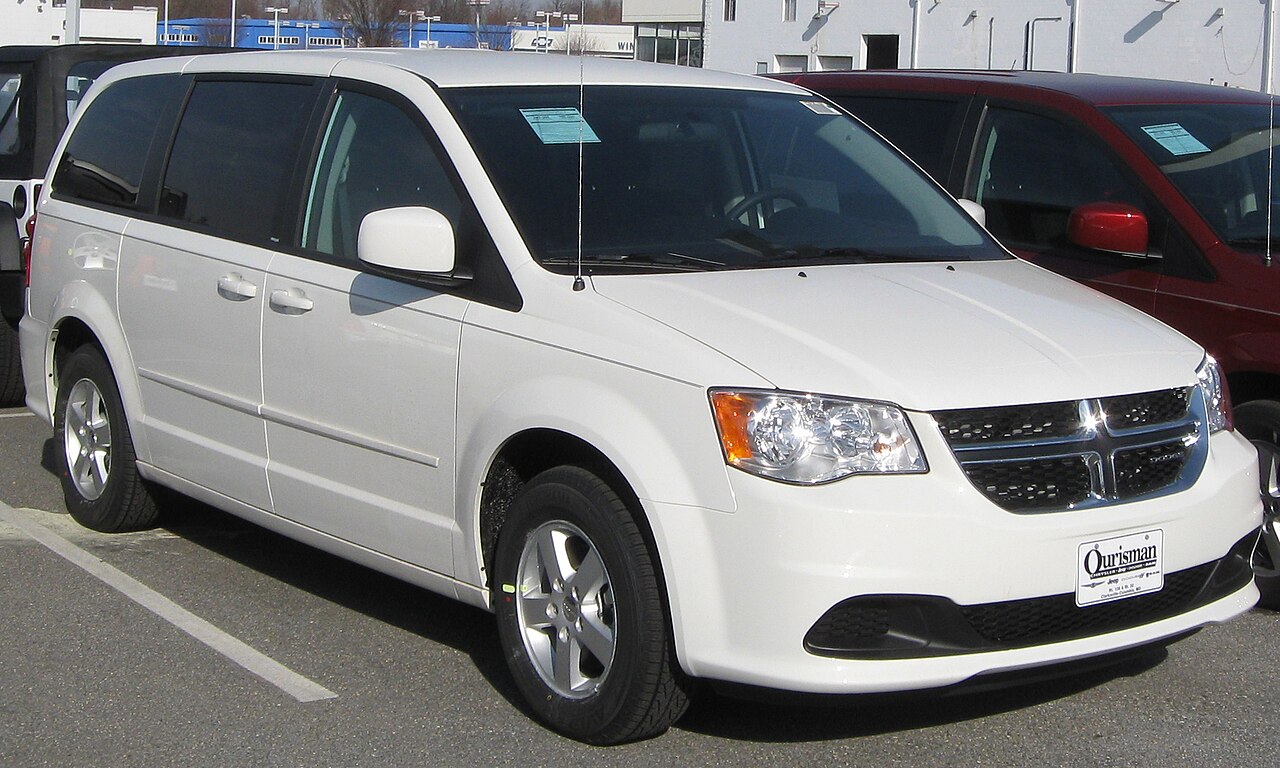
Dodge’s best-selling vehicle has revealed a bigger problem that could impact its loyal customer base. As concerns grow, many are left wondering about the implications for future sales and reliability.
Overview of Dodge’s Best-Selling Vehicle
The automotive industry is witnessing a significant shift in consumer preferences, and Dodge’s best-selling vehicle is at the center of this transformation. As sales figures continue to fluctuate, it raises important questions regarding the future of this iconic model and the brand’s direction.
For many years, the Dodge brand has been synonymous with power and performance, particularly through its most popular vehicle. However, recent trends indicate that consumers are gravitating towards more fuel-efficient and eco-friendly options. This evolution in buyer behavior poses challenges for the brand, which has traditionally thrived on the appeal of muscle cars and larger trucks.
Analysts have noted several factors contributing to the current dilemma surrounding Dodge’s best-selling vehicle:
- Changing consumer preferences: There’s a noticeable shift towards electric and hybrid vehicles.
- Increased competition: Other automakers are rapidly expanding their lineups to include more sustainable options.
- Economic pressures: Rising fuel prices and inflation are influencing purchasing decisions.
As Dodge navigates these challenges, the future of its best-selling vehicle remains uncertain. The brand must adapt to meet evolving market demands while holding onto the characteristics that have defined it for decades.
What Are the Current Issues?
The Dodge best-selling vehicle has recently been at the center of controversy, unveiling a series of issues that could impact its reputation and sales. Consumers have raised concerns regarding quality control and reliability, which have become increasingly apparent in customer feedback.
Some of the current issues include:
- Mechanical Failures: Reports have emerged of persistent mechanical problems, leading to dissatisfaction among owners who expect durability from a top-selling brand.
- Safety Concerns: Several incidents have highlighted potential safety hazards, prompting investigations that could tarnish the vehicle’s image.
- Supply Chain Disruptions: Ongoing challenges in the supply chain have resulted in delays for repairs and replacement parts, frustrating consumers further.
- Increased Competition: As other manufacturers release new models with advanced technology and better reliability, the Dodge best-selling vehicle faces growing pressure to innovate.
These issues not only threaten the vehicle’s market position but also raise questions about the future of the brand itself. With consumers increasingly seeking dependable and safe vehicles, Dodge must address these problems swiftly to maintain its status in the competitive automotive landscape.
Customer Reactions and Concerns
As the Dodge best-selling vehicle continues to garner attention, customer reactions have been mixed, with many expressing concerns about the recent issues highlighted in various reports. Some loyal customers have taken to social media to share their experiences, noting a decline in quality and reliability compared to previous models.
One customer, who has owned multiple Dodge vehicles over the years, stated, “I’ve always trusted Dodge, but I’m worried about the direction they’re heading. My new truck has had more problems than I expected.” This sentiment is echoed by several others who feel that the brand’s focus on sales may be compromising quality.
Among the most common concerns raised by customers are:
- Quality Control: Reports of defects and issues soon after purchase.
- Customer Service: Difficulty in getting timely support and repairs.
- Fuel Efficiency: Concerns about the vehicle’s performance in terms of gas mileage.
Despite the enthusiasm surrounding the Dodge best-selling vehicle, these issues have caused a rift between the brand and its dedicated fan base. Many are eager to see how Dodge will address these growing concerns in the future.
Future Implications for Dodge
The future implications for Dodge regarding its best-selling vehicle are becoming increasingly complex. As the market shifts towards sustainability and evolving consumer preferences, the company faces critical decisions that could shape its trajectory in the automotive industry.
One major concern is the growing competition from electric vehicle manufacturers. Dodge’s best-selling vehicle has long been associated with performance and power, yet the increasing demand for eco-friendly options could necessitate a significant shift in its product development strategy. Consumers are increasingly prioritizing fuel efficiency and environmentally friendly features, which could impact Dodge’s traditional customer base.
Additionally, regulatory pressures are intensifying, with stricter emissions standards being implemented globally. Dodge must navigate these regulations while ensuring that its best-selling vehicle remains appealing to its loyal customers. This could lead to increased production costs, ultimately affecting pricing and profit margins.
Furthermore, market analysts suggest that consumer sentiment is evolving. If Dodge fails to adapt to these changes, it risks losing market share to competitors who are more aligned with current trends. To secure its future, Dodge may need to innovate and perhaps even redefine what its best-selling vehicle represents, ensuring it remains relevant in a rapidly changing landscape.
- Adaptation to electric vehicle trends
- Compliance with emissions regulations
- Shifts in consumer preferences
Expert Opinions on the Situation
Industry experts have weighed in on the challenges facing Dodge’s best-selling vehicle, highlighting underlying issues that could impact the brand’s future. According to automotive analyst Jane Doe, “The concerns surrounding Dodge’s best-selling vehicle are not just about immediate sales; they reflect larger trends in consumer preferences and market demands.”
Another expert, John Smith, emphasizes the importance of innovation in the automotive sector. He notes, “Dodge must adapt to the evolving landscape, particularly as electric vehicles gain traction. Failure to innovate could jeopardize the status of their best-selling vehicle.”
Furthermore, Linda Brown, a market researcher, points out that customer loyalty is waning. “While Dodge has a strong legacy, younger consumers are looking for sustainable options and advanced technology features,” she states. This shift in consumer behavior could pose a significant threat to the brand’s future, especially for their best-selling vehicle.
These insights suggest that Dodge’s current predicament is a symptom of a broader issue within the automotive industry, where adaptation to changing consumer needs is crucial. As experts continue to analyze the situation, the expectation is that Dodge must act swiftly to address these challenges before they escalate further.
The challenges facing the Dodge best-selling vehicle are becoming increasingly apparent in a competitive market. As consumer preferences shift, the Dodge best-selling vehicle must adapt to maintain its dominance and appeal.
via Wikimedia Commons