
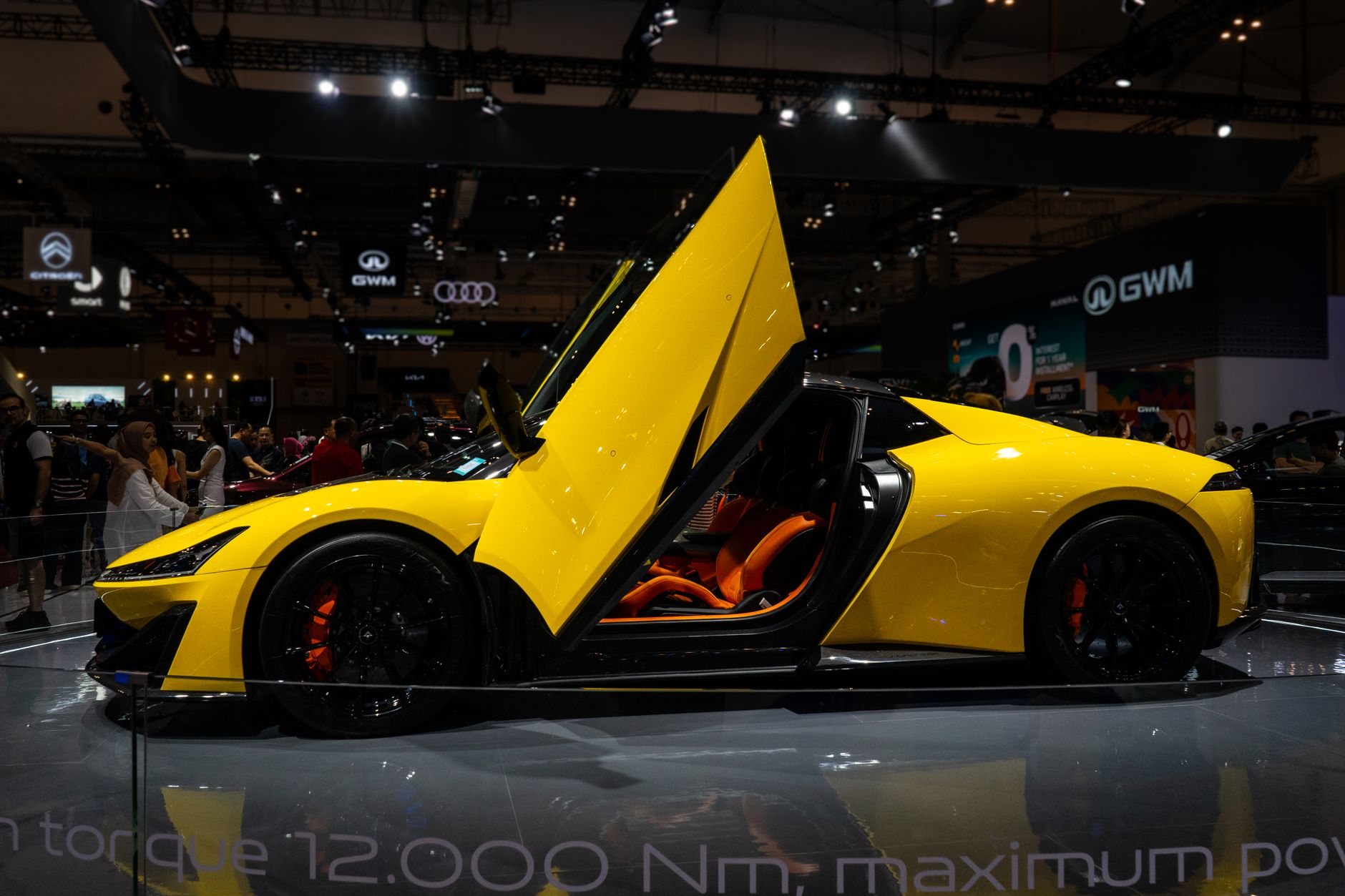
The flying Roadster concept is Tesla’s ambitious new project that aims to revolutionize personal transportation. This innovative vehicle promises to combine speed and aerial capability, setting a new standard in the auto industry.
What is the Flying Roadster Concept?
The flying Roadster concept represents a groundbreaking innovation in the realm of personal transportation, merging the functionalities of a car with the capabilities of an aircraft. Developed by Tesla, this visionary vehicle aims to redefine how we think about commuting and travel in urban environments.
At its core, the flying Roadster concept integrates advanced aerodynamics with cutting-edge technology. Utilizing lightweight materials and powerful propulsion systems, it is designed to take to the skies with remarkable ease. This concept vehicle showcases Tesla’s commitment to sustainability, emphasizing electric power and reduced carbon emissions.
Key features of the flying Roadster concept include:
- Vertical Takeoff and Landing (VTOL): Allowing for seamless transitions from road to air.
- Autonomous Navigation: Equipped with AI systems to ensure safe and efficient travel.
- Smart Connectivity: Integrated with smart home and urban infrastructure for enhanced user experience.
While still in the conceptual phase, the flying Roadster has generated significant excitement in both the automotive and aviation industries. Experts predict that if successfully developed, this innovative vehicle could alleviate traffic congestion and revolutionize how people navigate their cities. As Tesla continues to push the boundaries of technology, the flying Roadster concept stands as a testament to the potential future of transportation.
How Does the Flying Roadster Work?
The flying Roadster concept utilizes cutting-edge technology to offer a unique driving experience that blends the features of a traditional vehicle with those of an aircraft. At its core, this innovative vehicle is designed to transition seamlessly between road travel and flight.
One of the primary components of the flying Roadster is its advanced propulsion system. This system combines electric motors with vertical takeoff and landing (VTOL) capabilities, allowing the vehicle to ascend and descend easily in urban environments. Key features include:
- Hybrid Engine: The vehicle is powered by a hybrid engine that uses electric batteries along with fuel for longer distances.
- Advanced Navigation: Equipped with GPS and sophisticated software, the flying Roadster can autonomously navigate both on roads and in the air.
- Safety Features: The vehicle includes multiple redundancies to ensure passenger safety, such as collision avoidance systems and emergency parachutes.
In addition to its engineering marvels, the flying Roadster concept emphasizes user-friendly controls, allowing drivers to switch from driving to flying with minimal effort. With a sleek design that echoes Tesla’s automotive aesthetics, this concept car not only aims to change how we travel but also seeks to redefine the future of personal vehicles.
Key Features of Tesla’s New Concept
Tesla’s new flying Roadster concept showcases an array of innovative features that could revolutionize the automotive industry. Designed with cutting-edge technology, this vehicle aims to combine the thrill of driving with the freedom of flight.
- Hybrid Propulsion System: The flying Roadster concept utilizes a hybrid propulsion system that combines electric motors with advanced jet technology, enabling seamless transitions between driving and flying.
- Autonomous Navigation: Equipped with state-of-the-art sensors and AI-driven software, the vehicle is capable of autonomous navigation, ensuring safety and efficiency whether on the road or in the air.
- Compact Design: The design of the flying Roadster concept emphasizes compactness, allowing it to fit into standard parking spaces while still providing ample interior space for passengers.
- Eco-Friendly Materials: In line with Tesla’s commitment to sustainability, the flying Roadster is constructed from eco-friendly materials that reduce its environmental impact.
- Advanced Safety Features: Safety remains a top priority, with multiple redundancies in the flight and driving systems, ensuring a secure experience for all passengers.
With these features, the flying Roadster concept not only promises an exciting driving experience but also sets a new standard for future vehicles, merging the realms of terrestrial and aerial transportation.
Implications for the Future of Transportation
The introduction of the flying Roadster concept by Tesla could revolutionize the future of transportation. As urban areas become increasingly congested, the ability to take to the skies offers a viable solution to alleviate traffic woes. This innovation could not only reduce commute times but also change the way we perceive personal mobility.
One of the most significant implications is the potential for reduced carbon emissions. If electric flying vehicles become mainstream, they could replace traditional combustion engines, leading to a cleaner environment. Additionally, the integration of autonomous technology in the flying Roadster concept may enhance safety, as vehicles communicate with one another to prevent collisions.
Moreover, the flying Roadster concept could transform infrastructure needs. Cities may need to develop vertiports and reimagine existing roadways to accommodate take-off and landing zones. This shift could also drive economic growth, creating new industries focused on flying vehicle maintenance, air traffic control, and pilot training.
However, the transition will not be without challenges. Regulatory frameworks must evolve to manage air traffic effectively and ensure public safety. Furthermore, public acceptance of flying vehicles will play a crucial role in their adoption. As these challenges are addressed, the flying Roadster concept may pave the way for a new era of transportation, fundamentally altering how we travel.
Public Reaction to Tesla’s Flying Roadster
The announcement of Tesla’s flying Roadster concept has sparked a wave of excitement and curiosity among the public. Many enthusiasts have taken to social media to express their thoughts, with reactions ranging from awe to skepticism.
Supporters of the concept are particularly enthusiastic about the potential transformation it could bring to urban transportation. They believe that integrating flying capabilities into a roadster could significantly reduce traffic congestion and travel time. One social media user stated, “Imagine bypassing all the gridlock in the city—this could change everything!”
On the other hand, some critics have raised concerns regarding safety and practicality. Questions about regulatory challenges and the feasibility of flying cars in densely populated areas continue to dominate discussions. A concerned citizen commented, “Can we really trust a flying car? The infrastructure isn’t even ready for it!”
Furthermore, environmentalists are weighing in, pondering the ecological impact of such innovations. They emphasize the need for sustainable technology to accompany these advancements. A prominent activist remarked, “We can’t let innovation come at the cost of our planet. Tesla must ensure this flying Roadster concept is eco-friendly.”
Overall, the public reaction to the flying Roadster concept reflects a mix of enthusiasm and caution, highlighting the complex nature of embracing futuristic innovations.
Comparing Tesla’s Roadster to Other Innovations
The unveiling of the flying Roadster concept has sparked a wave of comparisons with other innovative modes of transportation that have emerged in recent years. As cities continue to grapple with congestion and pollution, several companies are exploring alternatives to traditional vehicles.
One notable innovation is the development of electric vertical takeoff and landing (eVTOL) aircraft. These flying taxis promise to revolutionize urban mobility, allowing passengers to bypass traffic entirely. Similar to the flying Roadster, eVTOLs emphasize eco-friendliness, but they focus on aerial travel instead of road-based transport.
Another emerging trend is the rise of fully autonomous vehicles. Companies like Waymo and Cruise are pushing the boundaries of self-driving technology, aiming to reduce accidents and improve traffic flow. While these vehicles could significantly enhance road safety, they still rely on existing road infrastructure.
In contrast, Tesla’s flying Roadster concept aims to integrate both driving and flying into a single seamless experience. This dual capability sets it apart from innovations that focus exclusively on one mode of transport.
Additionally, the flying Roadster could potentially reduce the need for extensive infrastructure changes, as it could operate in both urban and rural environments without the constraints of traditional roadways.
As the competition heats up in the automotive and aerospace industries, the flying Roadster concept may redefine how we think about personal transportation in the 21st century.
Photo by Esase on Pexels