
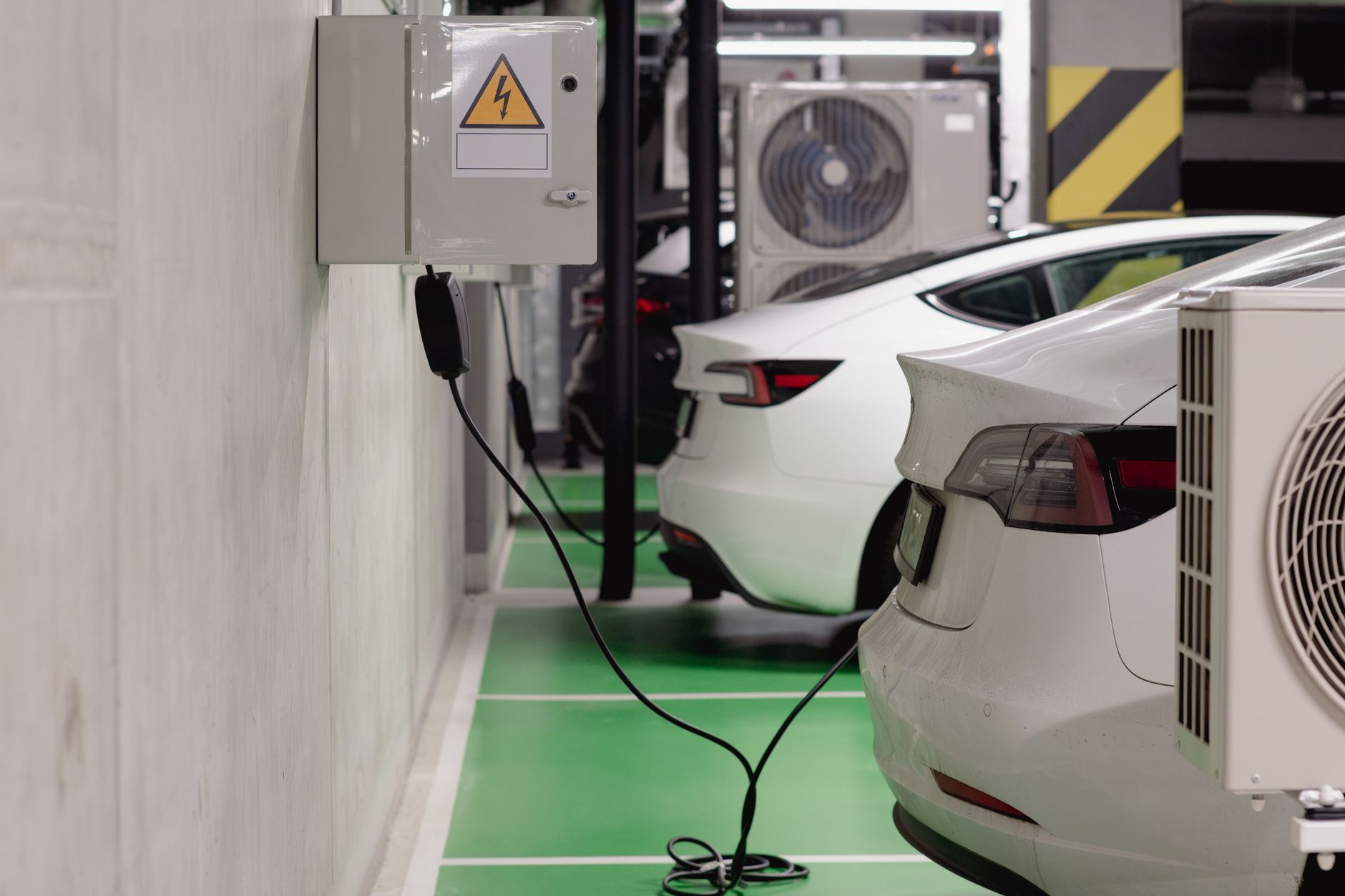
The EV battery plant is a significant consideration for Ashok Leyland, as stated by Gadkari. This move could impact the electric vehicle landscape in India.
Overview of Ashok Leyland’s EV Strategy
Ashok Leyland, one of India’s leading commercial vehicle manufacturers, is exploring the establishment of an EV battery plant in Bhandara. This strategic move aligns with the increasing demand for electric vehicles (EVs) and the company’s commitment to sustainability and innovation. The announcement made by Union Minister Nitin Gadkari has sparked discussions about the future of Ashok Leyland in the rapidly evolving automotive landscape.
The proposed EV battery plant aims to bolster local production capabilities, reducing dependence on imports and enhancing the company’s competitive edge. By investing in battery technology, Ashok Leyland seeks to ensure that its electric vehicles meet the growing market needs while adhering to stringent environmental regulations.
Key aspects of Ashok Leyland’s EV strategy include:
- Investment in Research and Development: Focusing on advanced battery technologies to increase efficiency and reduce costs.
- Partnerships with Technology Leaders: Collaborating with established players in the battery manufacturing sector to leverage expertise.
- Sustainability Initiatives: Committing to greener practices throughout the supply chain to minimize environmental impact.
As the automotive industry undergoes a significant transformation towards electrification, Ashok Leyland’s decision to consider an EV battery plant could be a pivotal moment in securing its position as a leader in the EV market.
Gadkari’s Vision for Electric Vehicles
Union Minister Nitin Gadkari has been a strong advocate for the adoption of electric vehicles (EVs) in India, emphasizing the importance of infrastructure development to support this transition. His recent remarks regarding Ashok Leyland’s plans to establish an EV battery plant in Bhandara highlight the government’s commitment to promoting sustainable transportation solutions.
Gadkari articulated a vision where India not only becomes a significant player in the global EV market but also develops a robust local supply chain for EV components. He stated, “The success of electric vehicles hinges on the availability of high-performance batteries, and having a local battery manufacturing facility will greatly reduce dependency on imports.” This initiative aligns with the broader objectives of reducing carbon emissions and enhancing energy security.
Moreover, Gadkari pointed out the potential economic benefits that could arise from the establishment of the EV battery plant. He mentioned that it would create jobs, stimulate local economies, and foster innovation in battery technology. The minister emphasized the importance of collaboration between the public and private sectors to achieve these goals.
- Enhanced local manufacturing: Reducing reliance on foreign imports.
- Job creation: Stimulating local employment opportunities.
- Sustainable growth: Supporting the transition to clean energy.
Gadkari’s vision represents a critical step forward in making the EV battery plant a reality for Ashok Leyland and the future of electric mobility in India.
Impact of Battery Plants on EV Market
The establishment of an EV battery plant is poised to significantly influence the electric vehicle market, particularly in regions like Bhandara, where Ashok Leyland is considering its next steps. As the demand for electric vehicles continues to grow, the need for efficient and reliable battery production has become paramount.
Battery plants serve as a critical component in the automotive supply chain, impacting various aspects of the EV market:
- Cost Reduction: Local production of batteries can help lower costs associated with importing key components, making electric vehicles more affordable for consumers.
- Supply Chain Stability: Establishing a local battery manufacturing facility can enhance supply chain resilience, reducing the risks of disruptions in battery availability.
- Job Creation: The development of an EV battery plant can generate numerous job opportunities in the region, fostering economic growth and attracting skilled labor.
- Technological Advancements: Proximity to production can lead to innovations in battery technology, further enhancing the efficiency and lifespan of EV batteries.
- Environmental Impact: A local battery plant can focus on sustainable production methods and recycling initiatives, aligning with the broader goals of reducing carbon emissions.
As Ashok Leyland explores the feasibility of its EV battery plant, these factors underscore the potential benefits and challenges that may arise within the evolving landscape of the electric vehicle market.
Bhandara’s Role in EV Development
Bhandara is emerging as a pivotal location in the development of electric vehicle (EV) technology, particularly with the proposed EV battery plant by Ashok Leyland. The region is strategically situated to benefit from the growing demand for sustainable transportation solutions. As Ashok Leyland considers the establishment of this battery plant, several factors highlight Bhandara’s significance in the EV landscape.
Firstly, Bhandara’s infrastructure is conducive to manufacturing and logistics, making it an ideal site for heavy industries. The proximity to key supply chains and transportation networks will enable Ashok Leyland to streamline operations and minimize costs associated with battery production. This efficiency is critical as the company aims to scale its EV offerings.
Secondly, the local workforce presents an opportunity for skilled labor in the evolving field of EV technology. By investing in training programs, Ashok Leyland can equip workers with the necessary skills to excel in battery production and innovation.
Moreover, establishing an EV battery plant in Bhandara aligns with government initiatives promoting green technology and sustainable practices. The collaboration between Ashok Leyland and local authorities could foster an ecosystem that supports research and development in electric mobility.
In summary, Bhandara’s role in the EV development landscape, particularly with the potential EV battery plant, could not only bolster Ashok Leyland’s position in the market but also contribute significantly to the advancement of electric vehicles in India.
Challenges in Establishing Battery Plants
The decision to establish an EV battery plant poses several challenges that Ashok Leyland must navigate carefully. As the company considers this significant investment, various factors come into play that could impact its success.
- High Capital Expenditure: Setting up an EV battery plant requires substantial financial investment. The costs associated with land acquisition, technology, and equipment can strain resources, especially in the initial phases.
- Supply Chain Dependencies: The sourcing of raw materials such as lithium, cobalt, and nickel is crucial for battery production. Fluctuations in the availability and prices of these materials can hinder production timelines and profitability.
- Technological Expertise: Developing advanced battery technologies demands specialized knowledge and skills. Ashok Leyland may need to invest in research and development or collaborate with established experts in the field.
- Regulatory Hurdles: Compliance with environmental regulations and safety standards can complicate the establishment of an EV battery plant. Navigating these legal frameworks is essential to avoid potential delays and penalties.
- Market Competition: The EV battery landscape is becoming increasingly competitive. Ashok Leyland must differentiate its offerings and ensure sustainability to stay ahead in a crowded market.
Despite these challenges, the establishment of an EV battery plant could position Ashok Leyland as a key player in the burgeoning electric vehicle sector.
Potential Benefits for Local Economy
The proposed EV battery plant by Ashok Leyland in Bhandara holds significant promise for the local economy, potentially transforming the region into a hub for electric vehicle production. This initiative aligns with the broader vision of boosting electric vehicle adoption in India, as outlined by Union Minister Nitin Gadkari.
One of the key potential benefits of establishing the EV battery plant includes job creation. The facility is expected to generate numerous direct and indirect employment opportunities for local residents, ranging from skilled labor to administrative roles. This could significantly reduce unemployment rates in the area.
Furthermore, the presence of the EV battery plant could catalyze local business growth. As the plant operates, it will likely require various services and materials, leading to increased demand for local suppliers and contractors. This could enhance the economic ecosystem of Bhandara, encouraging entrepreneurship and innovation.
Additionally, the plant may contribute to sustainable development in the region. By supporting the production of electric vehicles, Ashok Leyland could help decrease reliance on fossil fuels, promoting environmental sustainability and public health. The shift towards greener technologies can attract further investments in renewable energy sources, creating a virtuous cycle of growth.
In summary, the establishment of the EV battery plant by Ashok Leyland could provide substantial economic benefits to Bhandara, fostering employment, supporting local businesses, and encouraging sustainable practices.
Comparing EV Battery Initiatives
As the automotive industry shifts towards sustainability, several players are exploring their positions within the electric vehicle (EV) ecosystem. Ashok Leyland’s consideration of an EV battery plant in Bhandara raises important questions about the viability and strategic alignment of such an initiative. In comparing various EV battery initiatives across the industry, it becomes evident that establishing a local battery production facility could have significant implications.
Firstly, local production of EV batteries can lead to reduced costs by cutting down on import duties and shipping expenses. Companies like Tesla and LG Chem have demonstrated the advantages of localized manufacturing, which not only streamlines supply chains but also fosters innovation through proximity to engineering teams.
- Partnership Opportunities: Collaborations with local suppliers and technology firms can enhance resource sharing and innovation.
- Job Creation: The establishment of an EV battery plant would likely generate employment opportunities, contributing positively to the local economy.
- Environmental Impact: A focus on sustainable practices in battery production can align with global environmental goals, making Ashok Leyland a leader in responsible manufacturing.
However, Ashok Leyland must also consider the competitive landscape, as other automakers are racing to secure their positions in the EV market. Balancing risk with potential rewards will be crucial in determining whether the EV battery plant is a smart move for the company.
Future of Electric Mobility in India
The future of electric mobility in India is poised for transformative growth, with several factors influencing its trajectory. The government’s commitment to reducing carbon emissions and promoting sustainable transport plays a crucial role. As the nation aims to increase EV adoption, the establishment of an EV battery plant becomes a pivotal step in bolstering the electric vehicle ecosystem.
With rising fuel prices and a growing awareness of environmental issues, more consumers are considering electric vehicles as a viable alternative. This shift in consumer behavior is prompting automakers, including Ashok Leyland, to innovate and invest in EV technologies. The proposed EV battery plant in Bhandara could significantly increase the local production of batteries, reducing dependency on imports and lowering overall costs.
Additionally, by investing in local battery production, Ashok Leyland aims to create a supportive infrastructure for electric mobility. The plant would not only supply batteries for their own vehicle range but could also cater to other manufacturers, fostering a collaborative environment in the industry.
However, the success of such initiatives depends on addressing various challenges, including securing raw materials, developing skilled labor, and ensuring sustainable practices in manufacturing. If executed effectively, the EV battery plant could be a game-changer, contributing to India’s ambitious electric mobility goals and enhancing the country’s position in the global EV market.
Photo by Jakub Zerdzicki on Pexels