
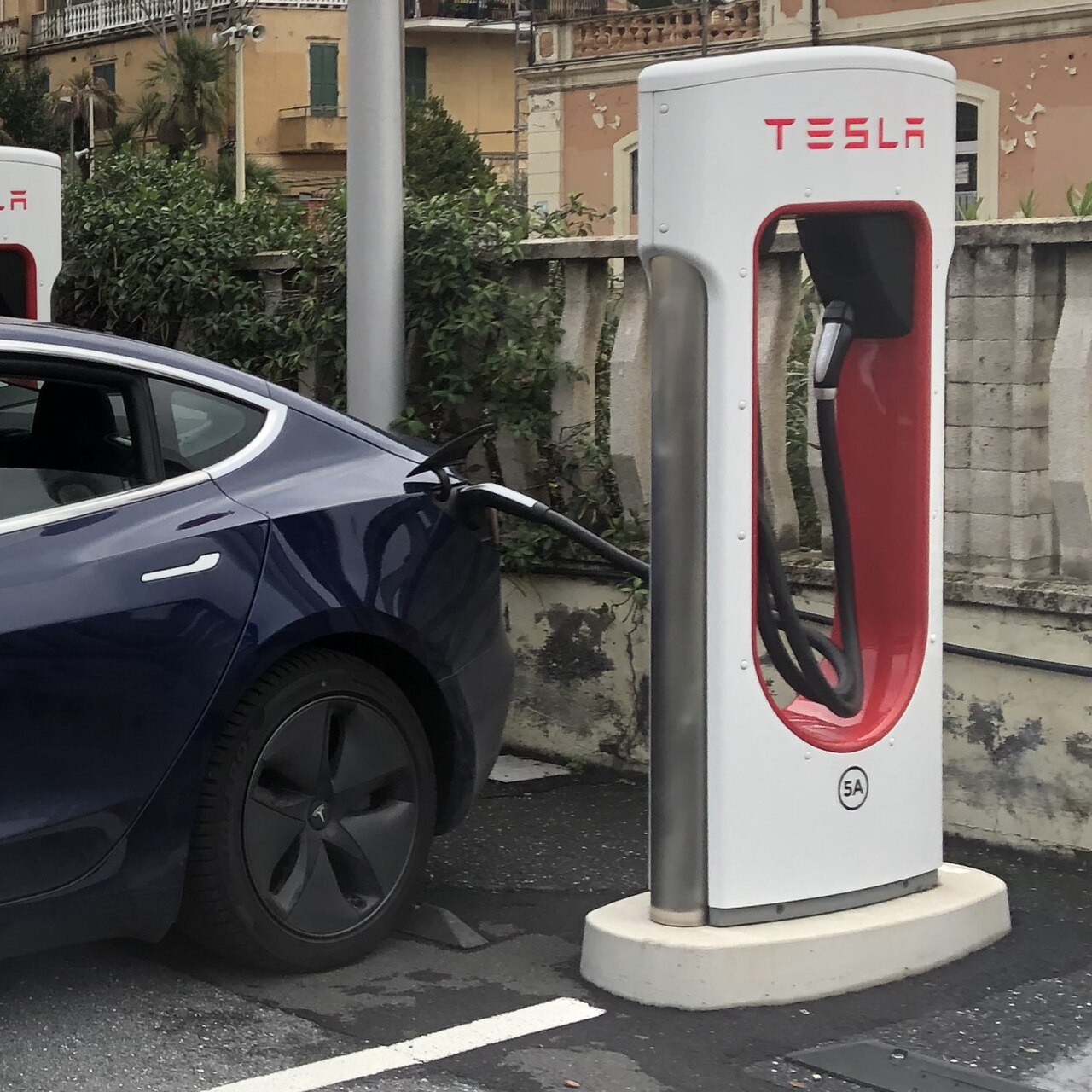
EV charging stations are becoming a priority for the UP government, which aims to boost their numbers by five times. This initiative is part of a broader strategy to promote electric vehicle adoption in the region.
Current state of EV charging stations
The current state of EV charging stations in India reflects a growing demand for electric vehicles, driven by increasing environmental awareness and government incentives. As of now, the country has seen a gradual installation of charging infrastructure, yet it remains insufficient to meet the rising number of electric vehicle users.
Recent reports indicate that the UP government is making significant strides in enhancing this infrastructure. The aim is to quintuple the existing number of charging stations, signaling a robust commitment to support the electric vehicle ecosystem. This initiative is expected to address key challenges such as range anxiety and promote greater adoption of EVs among consumers.
In urban areas, the need for accessible and reliable EV charging stations is particularly critical. Current facilities often face issues such as inadequate availability and long waiting times. To combat these challenges, the government is exploring various strategies, including:
- Partnerships with private companies to accelerate installation
- Incentives for businesses to set up charging points
- Utilization of renewable energy sources to power stations
As these strategies unfold, the future of EV charging infrastructure looks promising, aiming to create a sustainable environment for electric vehicle users.
Government initiatives for EV growth
The expansion of EV charging stations is critical for supporting the growing demand for electric vehicles. In response to this need, various government initiatives have been introduced to foster an environment conducive to EV growth.
- Subsidies and incentives: Governments are offering financial incentives to both consumers and businesses that invest in EV charging infrastructure. By reducing the initial costs, more stakeholders are encouraged to install charging stations.
- Public-private partnerships: Collaborative efforts between the public sector and private companies are being promoted to enhance the deployment of charging stations. These partnerships often leverage resources and expertise from both sides, leading to more efficient expansion.
- Streamlined regulations: Simplifying the permitting process for new charging stations helps accelerate installation. Governments are working to eliminate red tape that often delays the deployment of necessary infrastructure.
- Awareness campaigns: Educational initiatives are being implemented to inform citizens about the benefits of electric vehicles and the availability of charging stations. Increased awareness can drive consumer adoption and usage.
These strategies are essential for establishing a robust network of EV charging stations, ensuring that electric vehicle owners have convenient access to charging facilities.
Impact on electric vehicle adoption
The expansion of EV charging stations plays a pivotal role in the adoption of electric vehicles (EVs). As more charging stations become available, potential EV owners are more likely to make the switch from traditional combustion engine vehicles. The convenience of having accessible charging options alleviates range anxiety, a common concern among prospective buyers.
Several factors contribute to the positive impact of charging station expansion on EV adoption:
- Increased Accessibility: A greater number of charging stations ensures that drivers can easily find a place to charge their vehicles, making EV ownership more practical.
- Enhanced Infrastructure: Robust charging infrastructure encourages consumers to consider electric vehicles as a viable alternative to gasoline-powered cars.
- Cost Savings: As charging stations become more prevalent, competition may drive down the cost of charging, making electric vehicles financially attractive.
- Consumer Awareness: Expanding charging networks often leads to increased marketing and awareness campaigns, further educating the public about the benefits of electric vehicles.
In conclusion, the strategic growth of EV charging stations is essential for fostering a supportive environment for electric vehicle adoption, ultimately contributing to a cleaner and more sustainable transportation future.
Challenges in expanding infrastructure
The expansion of EV charging stations faces several significant challenges that must be addressed to meet growing demand. These obstacles can hinder the progress necessary for widespread electric vehicle adoption.
- High Installation Costs: The initial investment for establishing EV charging infrastructure can be substantial, deterring many businesses and local governments from moving forward.
- Limited Grid Capacity: In many regions, existing electrical grids may not be equipped to handle the increased demand from multiple charging stations, leading to potential overloads.
- Site Selection Issues: Identifying strategic locations for EV charging stations can be complex, particularly in densely populated urban areas where space is at a premium.
- Regulatory Hurdles: Navigating local regulations and obtaining necessary permits can slow down the development process, making it difficult to deploy new stations quickly.
- Public Awareness: Many consumers remain unaware of the availability and benefits of EV charging stations, which can limit usage and adoption rates.
Addressing these challenges is crucial for expanding the network of EV charging stations and supporting the transition to electric vehicles, ultimately helping to achieve sustainability goals.
Future of EV charging in UP
The future of EV charging stations in Uttar Pradesh (UP) looks promising as the state government has set ambitious goals to enhance infrastructure and support electric vehicle (EV) growth. Recent announcements indicate plans to increase the number of charging stations by five times, which is a significant step towards addressing current limitations.
To achieve this expansion, the government is focusing on several key strategies:
- Public-Private Partnerships: Collaborating with private companies to invest in and deploy more charging stations across urban and rural areas.
- Incentives for Investment: Offering financial incentives for businesses that install EV charging stations, making it more attractive for companies to participate.
- Location Optimization: Identifying strategic locations for charging stations to ensure accessibility for EV users, particularly in high-traffic areas.
- Awareness Campaigns: Launching initiatives to educate the public about the benefits of electric vehicles and the availability of charging infrastructure.
With these strategies in place, UP is poised to create a robust network of EV charging stations, facilitating the transition to electric mobility and ultimately contributing to a sustainable future.
Community benefits of increased stations
The expansion of EV charging stations offers significant community benefits that extend beyond simply providing access to electric vehicle infrastructure. As the number of charging stations increases, local economies can experience a boost through various channels.
- Job Creation: The installation and maintenance of EV charging stations create new jobs in the community, ranging from construction to engineering and ongoing service roles.
- Increased Foot Traffic: Charging stations often attract EV owners to nearby businesses, increasing foot traffic and driving sales for local retailers, restaurants, and services.
- Environmental Benefits: With more EV charging stations, there is a potential reduction in greenhouse gas emissions, contributing to a cleaner and healthier environment for residents.
- Community Engagement: Increased awareness and interest in electric vehicles can foster community discussions on sustainability and energy efficiency, leading to collaborative projects and initiatives.
- Enhanced Property Values: Areas with convenient EV charging stations may see an increase in property values, as prospective homebuyers often seek out locations with modern amenities.
Overall, the expansion of EV charging stations not only supports electric vehicle adoption but also strengthens the community by fostering economic growth and environmental stewardship.
via Wikimedia Commons