
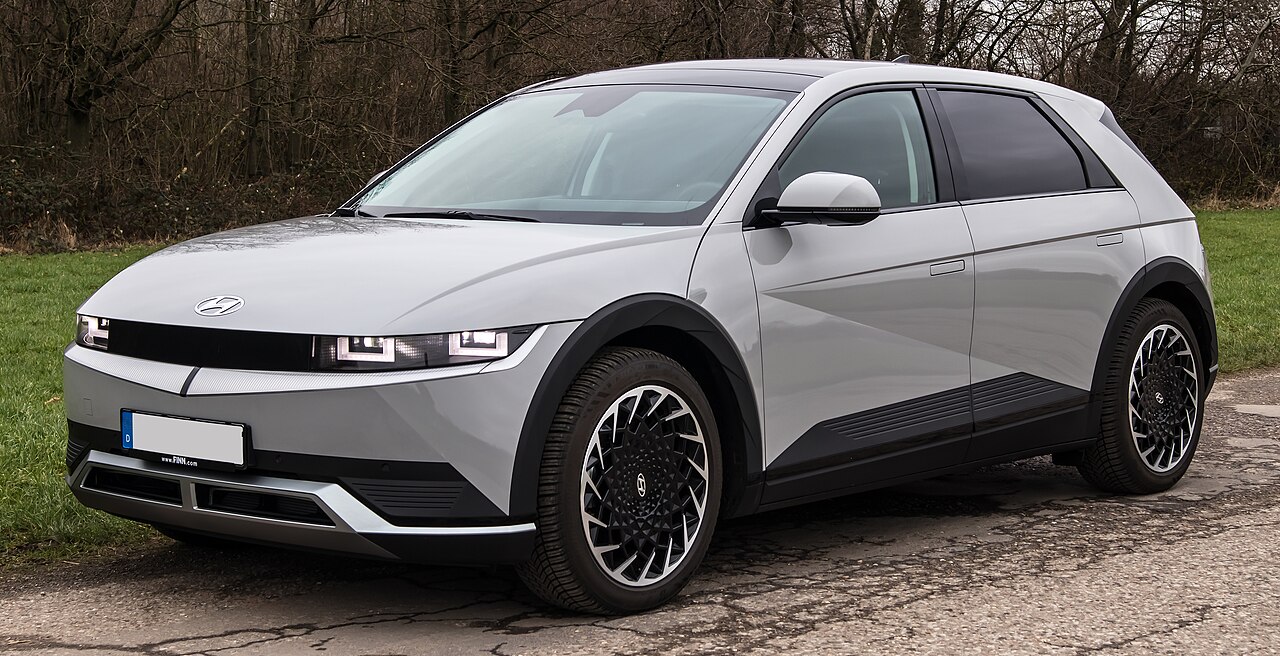
Hyundai Ioniq 5 vs BYD Sealion is a crucial comparison for EV enthusiasts. This article dives into the real-world range of both models, providing insights for potential buyers.
Introduction to Hyundai Ioniq 5 and BYD Sealion
The electric vehicle market is rapidly evolving, with manufacturers striving to offer the best real-world range to attract environmentally conscious consumers. In this competitive landscape, the Hyundai Ioniq 5 and the BYD Sealion have emerged as strong contenders. Both models represent a significant step forward in electric vehicle technology, combining innovative design with impressive performance.
The Hyundai Ioniq 5 has received accolades for its futuristic styling and spacious interior. With a powerful battery and advanced electric drivetrain, it promises an exceptional driving experience. Many drivers appreciate its rapid charging capabilities, allowing for convenient long-distance travel.
On the other hand, the BYD Sealion is gaining traction with its competitive pricing and impressive features. This model focuses on delivering a reliable range, making it an appealing choice for daily commutes and weekend getaways alike. The Sealion showcases BYD’s commitment to sustainability and innovation in the electric vehicle sector.
As we delve deeper into the comparison of the Hyundai Ioniq 5 vs BYD Sealion, we will explore their real-world range, performance metrics, and user experiences to help potential buyers make an informed decision.
Real-World Range: Hyundai Ioniq 5 vs BYD Sealion
When comparing the real-world range of the Hyundai Ioniq 5 and the BYD Sealion, it becomes evident that both electric vehicles (EVs) have made significant strides in this crucial area. The real-world range is a primary concern for potential EV buyers, as it directly impacts usability and convenience.
Based on various tests and user reports, the following observations can be made:
- Hyundai Ioniq 5: The Ioniq 5 has consistently shown a real-world range of approximately 300-330 miles on a single charge, depending on the specific configuration and driving conditions. Its impressive efficiency is aided by its aerodynamic design and advanced battery technology.
- BYD Sealion: The Sealion, equipped with a powerful battery pack, offers a real-world range of around 280-310 miles. While slightly less than that of the Ioniq 5, it still provides ample distance for daily commuting and longer trips.
While both vehicles excel in range, the Hyundai Ioniq 5 vs BYD Sealion comparison highlights that the Ioniq 5 can edge out in optimal conditions. However, the choice may ultimately depend on personal preferences and other features beyond range alone.
Performance Metrics of Both EVs
When comparing the performance metrics of the Hyundai Ioniq 5 and BYD Sealion, several key specifications highlight their capabilities in the electric vehicle market. Both models have garnered attention for their impressive range, but performance goes beyond just distance.
Starting with the Hyundai Ioniq 5, it is equipped with a robust electric powertrain that delivers a smooth and responsive driving experience. The Ioniq 5 showcases:
- Acceleration: 0 to 60 mph in approximately 5.0 seconds, making it a quick performer.
- Top Speed: Capable of reaching up to 115 mph.
- Battery Capacity: Available with a 77.4 kWh battery, providing ample energy for extended trips.
On the other hand, the BYD Sealion also offers competitive performance metrics:
- Acceleration: 0 to 60 mph in around 4.6 seconds, indicating a sportier feel.
- Top Speed: Reaches up to 124 mph, showcasing its performance-oriented design.
- Battery Capacity: Comes with a 100 kWh battery, supporting longer journeys with fewer stops.
In summary, the performance metrics of both the Hyundai Ioniq 5 and BYD Sealion reveal their strengths, with each model catering to different preferences in the electric vehicle landscape.
Charging Times Compared
When it comes to the charging times of the Hyundai Ioniq 5 and BYD Sealion, both electric vehicles offer competitive advantages that appeal to different types of drivers. Understanding how quickly these cars can recharge is crucial for potential buyers.
The Hyundai Ioniq 5 boasts an impressive charging capability, utilizing an 800-volt architecture that allows it to achieve rapid charging speeds. When connected to a 350 kW charger, the Ioniq 5 can recharge from 10% to 80% in as little as 18 minutes. This means drivers can quickly top off their battery during long trips, making it a convenient option for those who value time efficiency.
On the other hand, the BYD Sealion, while slightly slower, still provides respectable charging times. With its 400-volt system, it can charge from 30% to 80% in approximately 30 minutes with a fast charger. This performance is adequate for most daily commuting needs, although it may require a bit more planning for long-distance travel compared to the Ioniq 5.
In summary, while both the Hyundai Ioniq 5 and BYD Sealion present viable options, the Ioniq 5 has a distinct edge in charging times, making it an attractive choice for those who prioritize quick recharging in their electric vehicle experience.
User Reviews and Experiences
User reviews and experiences provide valuable insights into the performance and practicality of the Hyundai Ioniq 5 and BYD Sealion. Many users have reported their satisfaction with the real-world range offered by both vehicles, but opinions often vary based on individual needs and driving habits.
Those who favor the Hyundai Ioniq 5 frequently highlight its spacious interior and advanced technology features. One user noted, “The Ioniq 5’s range is impressive, especially during long trips. I often exceed my expectations on how far I can go on a single charge.” This sentiment is echoed by many who appreciate the vehicle’s ability to handle various driving conditions while maintaining efficiency.
On the other hand, fans of the BYD Sealion often emphasize its value for money and robust performance. A user commented, “The Sealion gives me confidence on the road with its solid range. It feels reliable, and I love the futuristic design.”
While both vehicles have their unique strengths, the choice between the Hyundai Ioniq 5 and BYD Sealion ultimately comes down to personal preference and driving requirements. As more drivers share their experiences, the ongoing comparison between these two electric vehicles continues to evolve.
Pricing and Value for Money
When considering the Hyundai Ioniq 5 vs BYD Sealion, pricing and value for money play a crucial role in the decision-making process for potential buyers. Both electric vehicles cater to different segments of the market, offering unique features and price points.
The Hyundai Ioniq 5 starts at a competitive base price, which includes a range of modern technology and comfort features. Buyers appreciate the spacious interior and advanced safety systems, making it a compelling choice in its class. Additionally, the Ioniq 5 offers a variety of trims, allowing consumers to select an option that fits their budget and preferences.
On the other hand, the BYD Sealion presents a different pricing strategy. Its price tag often undercuts the Ioniq 5, making it an attractive option for budget-conscious consumers. Despite a lower entry price, the Sealion does not skimp on features, providing a solid array of tech and performance capabilities.
Ultimately, the choice between these two vehicles may come down to personal preference and specific needs. Factors such as warranty, resale value, and maintenance costs should also be taken into account. In the electric vehicle market, both the Hyundai Ioniq 5 and BYD Sealion offer strong value propositions, making them worthy contenders for any potential EV buyer.
Future of Electric Vehicles
The future of electric vehicles (EVs) is rapidly evolving, with manufacturers like Hyundai and BYD leading the charge. As the automotive landscape shifts towards sustainability, the competition between models such as the Hyundai Ioniq 5 and BYD Sealion highlights the importance of efficiency, technology, and user experience in shaping consumer preferences.
With advancements in battery technology and charging infrastructure, future EVs are expected to offer even greater ranges and shorter charging times. The comparison of real-world range between the Hyundai Ioniq 5 and BYD Sealion serves as a benchmark for what consumers can expect in the coming years. As these vehicles continue to improve, we can anticipate the following trends:
- Enhanced Battery Efficiency: Innovations in battery design will lead to lighter, more efficient batteries that enhance the real-world range of EVs.
- Widespread Charging Solutions: Increased availability of fast-charging stations will alleviate range anxiety, allowing users to travel further without worry.
- Smart Technology Integration: Future EVs will likely feature advanced technology that optimizes energy consumption and provides real-time range updates.
Ultimately, the Hyundai Ioniq 5 vs BYD Sealion debate is just the beginning. As the market expands, consumers will benefit from more choices, better performance, and an overall enhanced driving experience in the electric vehicle segment.
Conclusion: Which EV is Right for You?
In conclusion, determining which electric vehicle is right for you ultimately depends on your individual needs and preferences. The Hyundai Ioniq 5 and BYD Sealion both offer impressive features and real-world range, but they cater to slightly different audiences.
If you prioritize cutting-edge design and a spacious interior, the Hyundai Ioniq 5 stands out with its futuristic aesthetics and comfortable cabin. Additionally, its well-rounded performance metrics make it a great choice for daily commuting and longer trips alike.
On the other hand, the BYD Sealion presents a strong case for those looking for value and practicality. With competitive pricing and solid real-world range, it appeals to budget-conscious buyers who do not want to compromise on quality. The Sealion’s charging times are also commendable, making it a reliable option for those who frequently travel long distances.
Ultimately, the decision between the Hyundai Ioniq 5 and BYD Sealion may come down to personal taste and specific driving needs. Consider factors such as design, range, performance, and budget to find the electric vehicle that best fits your lifestyle. Both models signify a promising advancement in the electric vehicle market, showcasing the diverse options available to consumers today.
The comparison of the Hyundai Ioniq 5 vs BYD Sealion highlights the strengths of each electric vehicle in terms of efficiency and performance. As consumers weigh their options, the Hyundai Ioniq 5 vs BYD Sealion debate will continue to shape the future of electric mobility.
via Wikimedia Commons